Three provinces, three mountains, three long-term transects.
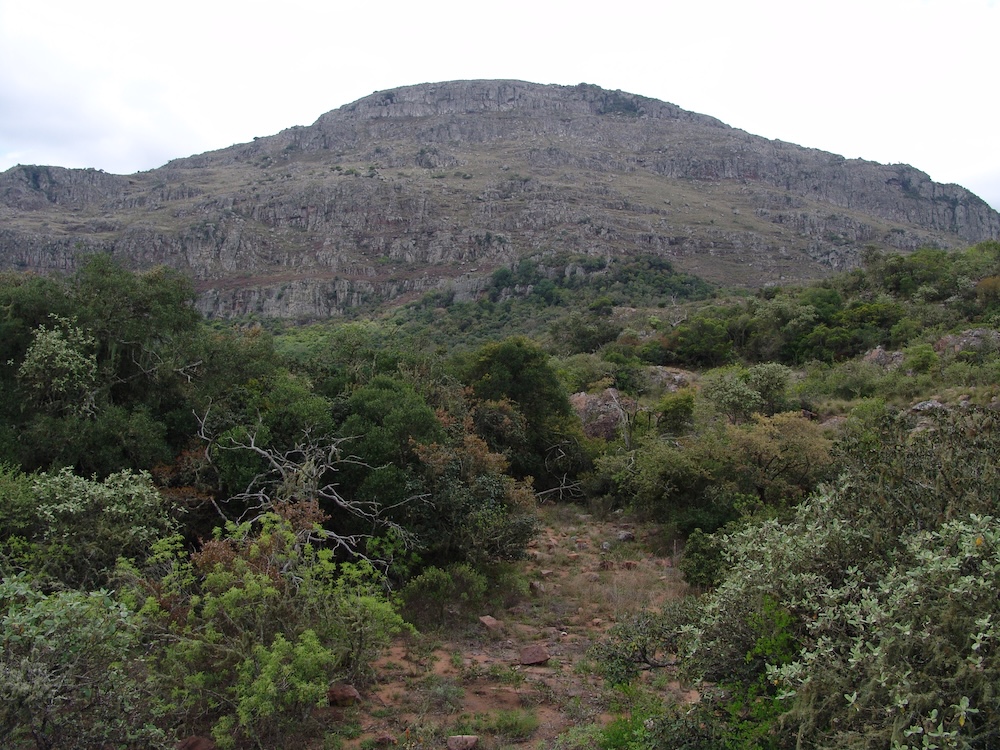
The South African Mountain Biodiversity and Resilience (SAMBAR) project encompasses three elevational transects that have been sampled for ground-active invertebrates for over 20 years. Long-term biodiversity studies are critical for disentangling the effects of natural population change over time from other factors such as climate change. In this sense, the SAMBAR transects are an important resource for southern African biodiversity science.
Our work to date has focused on understanding how ant (Hymenoptera: Formicidae) diversity changes across elevation, through time, and how these changes are dependent on the physiological, morphological, and behavioural characteristics of different species. In storage, we have a wealth of samples from collembola, spiders, beetles, and wasps that can shed further light on the elevation and climatic drivers of invertebrate biodiversity.
View the video below to learn more about the project.


Maloti-Drakensberg
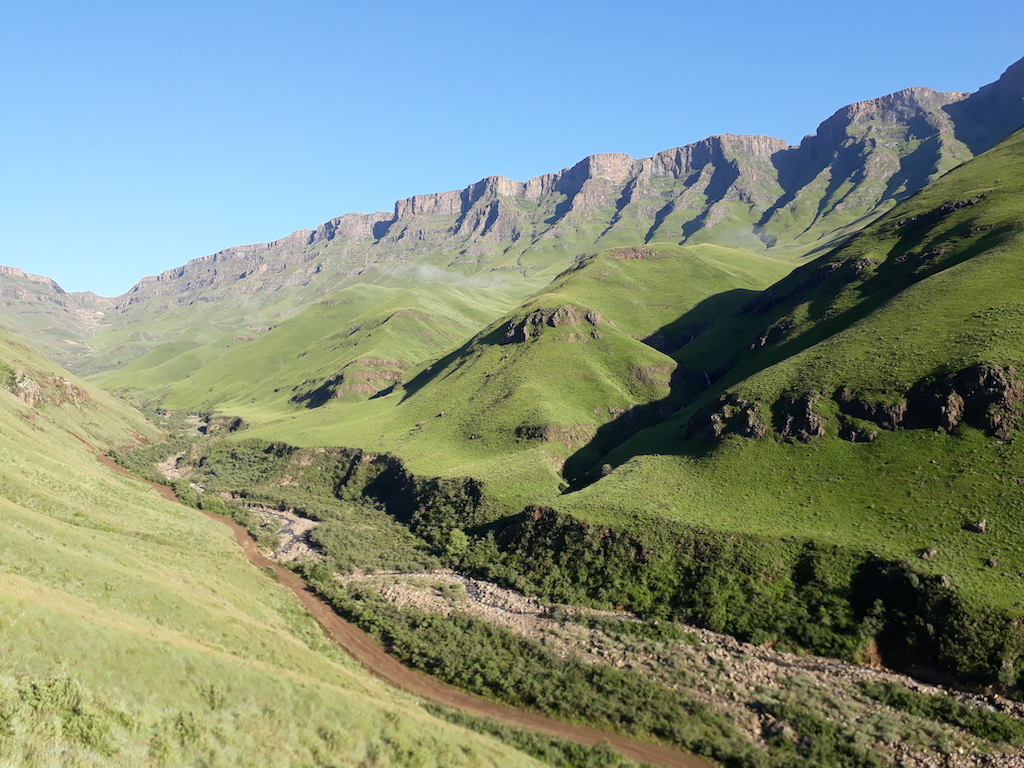
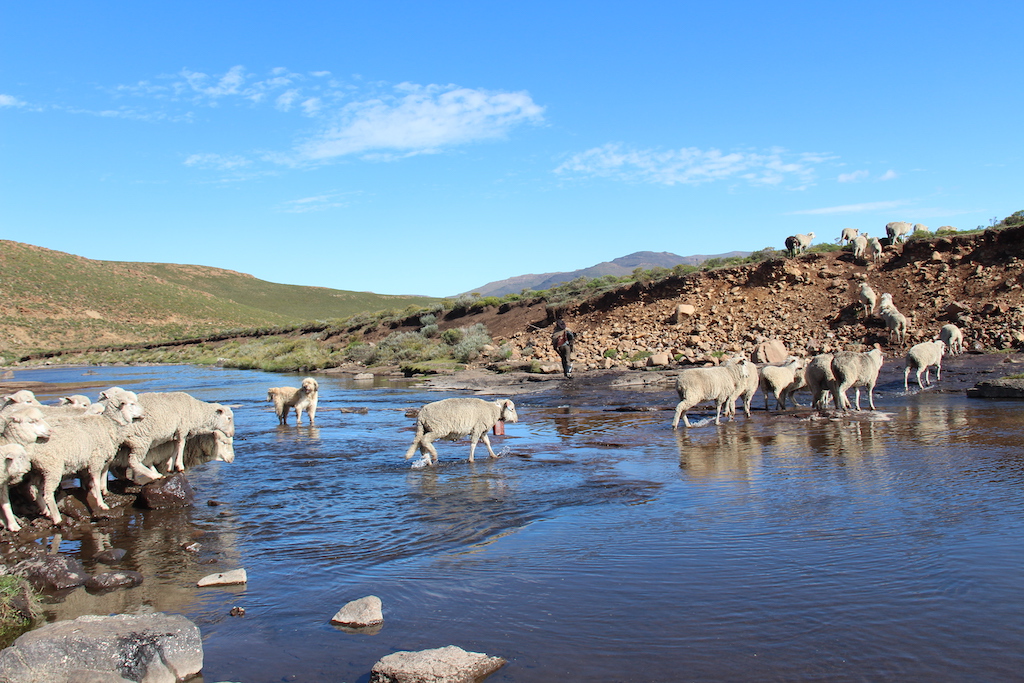
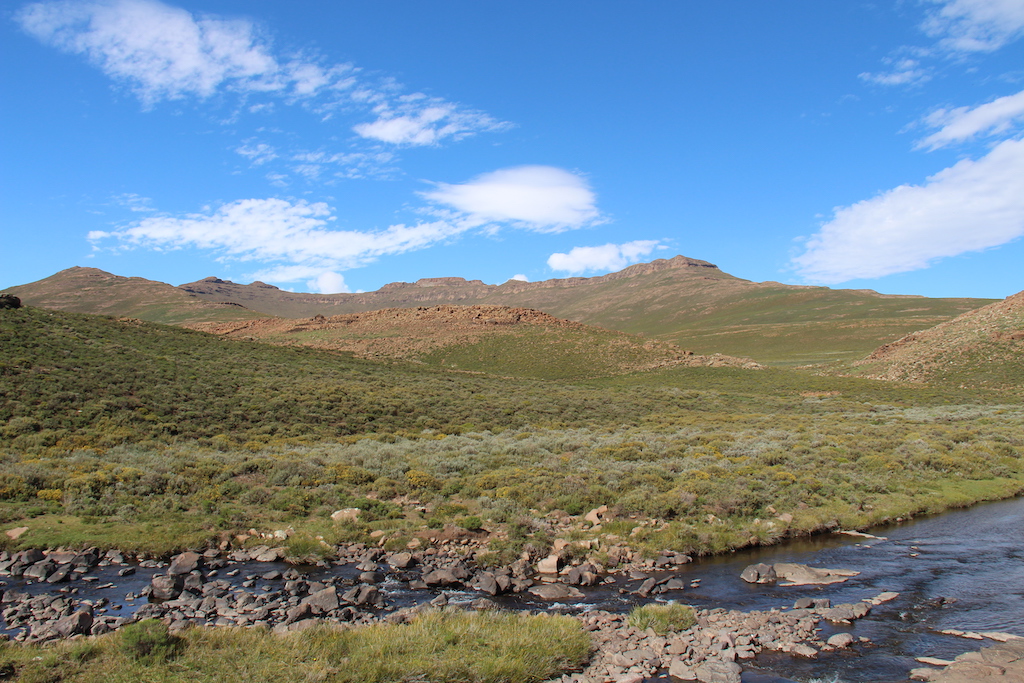
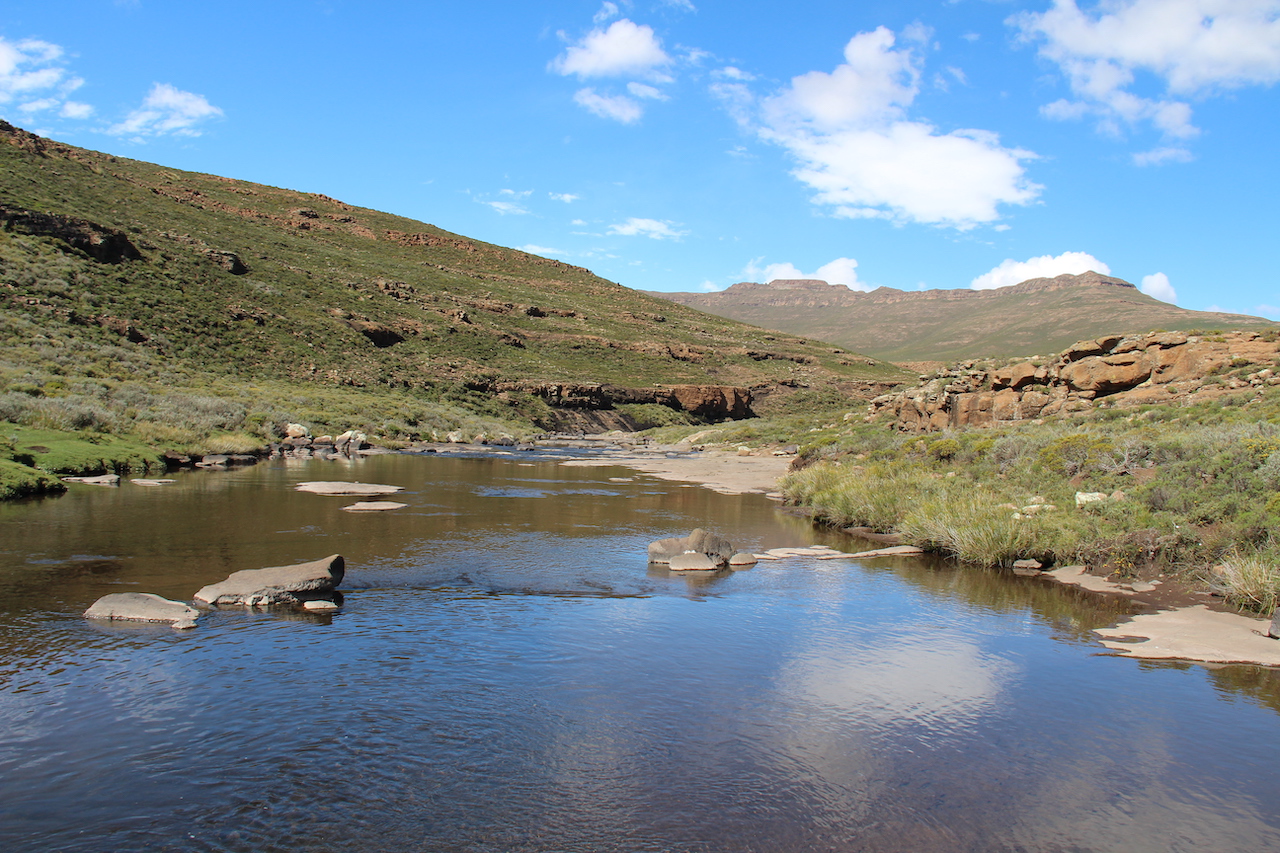
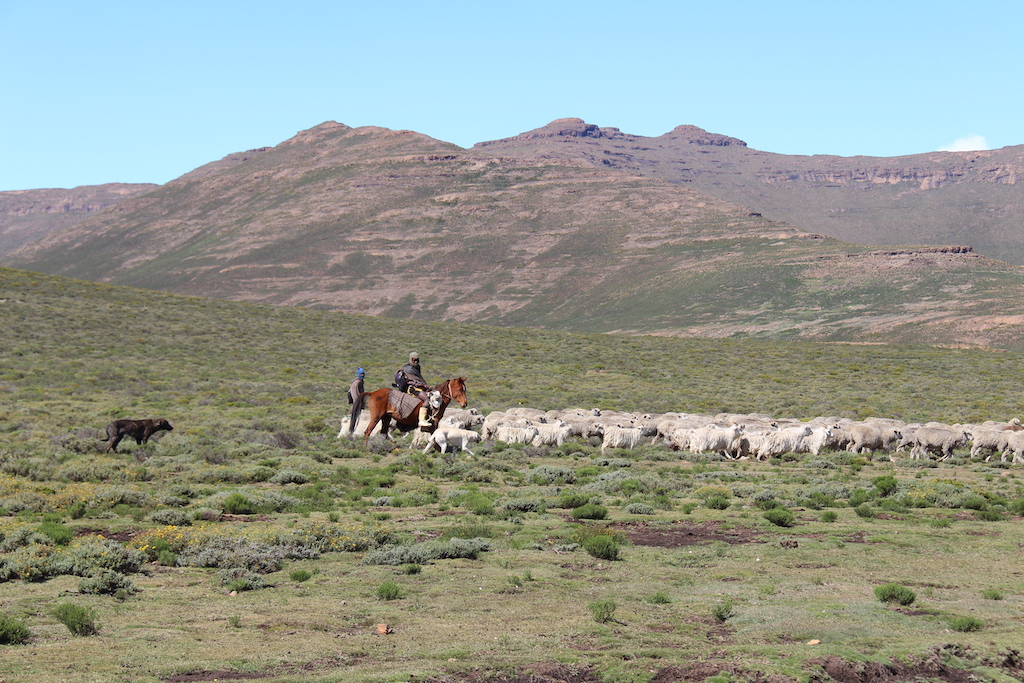
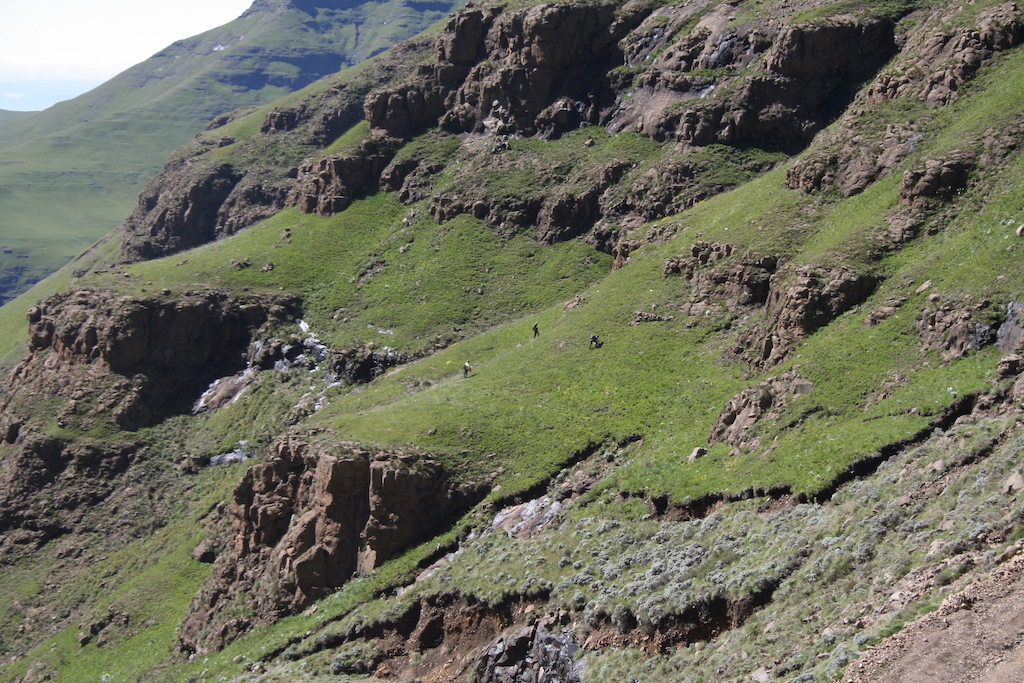
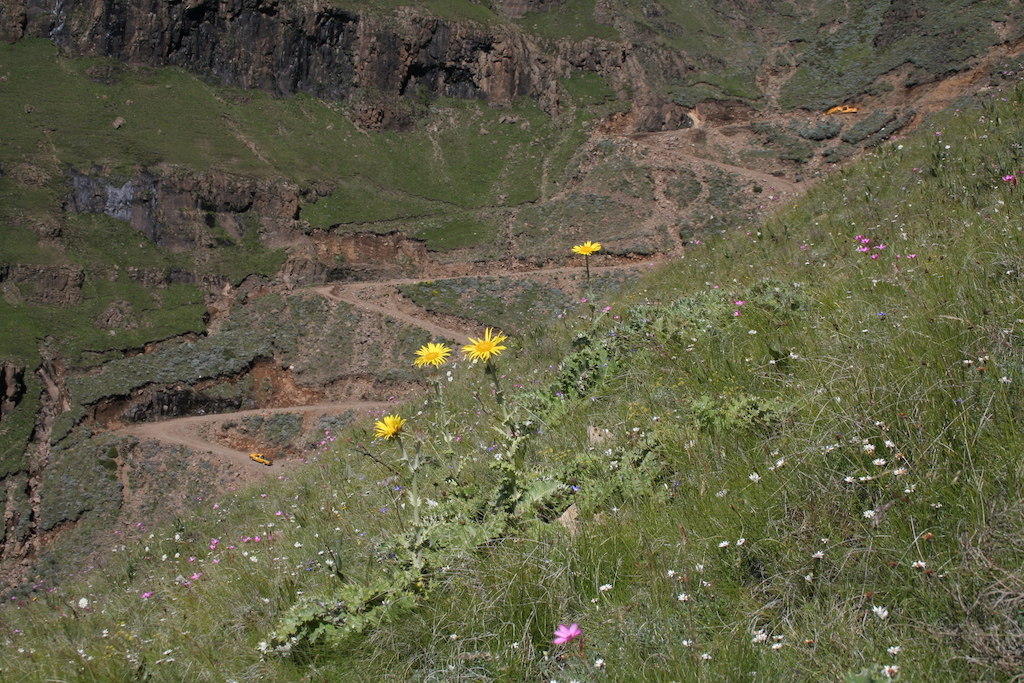
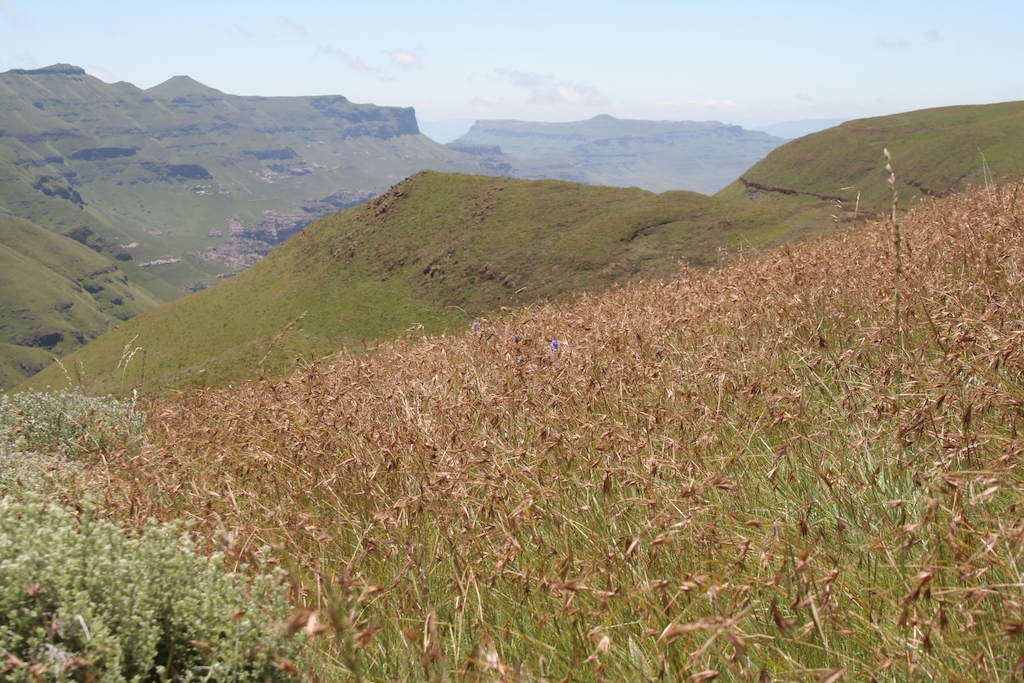
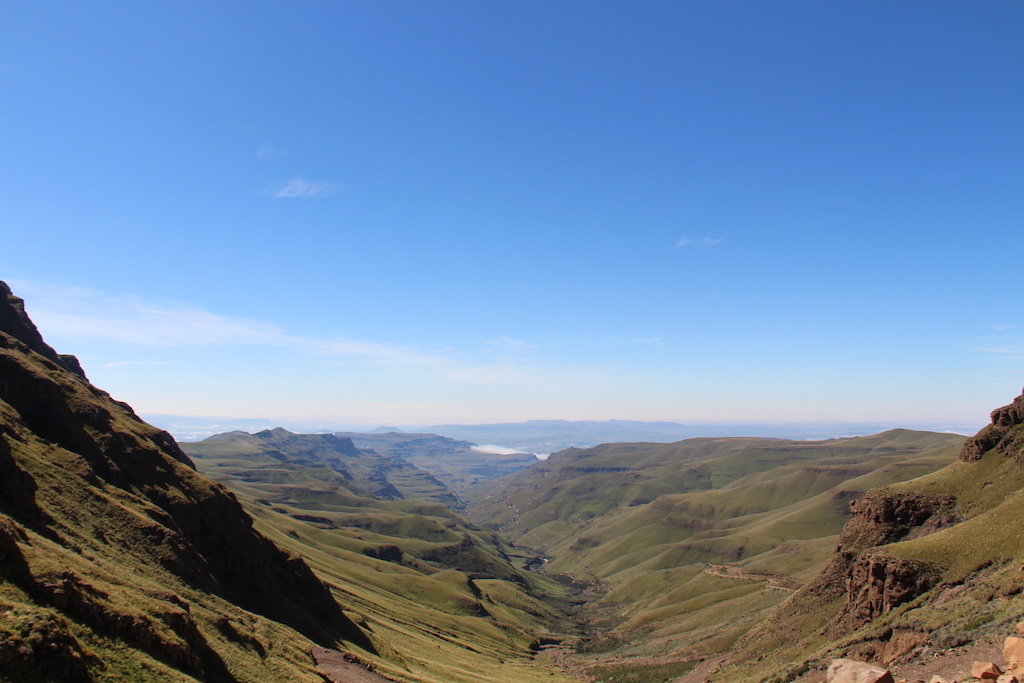
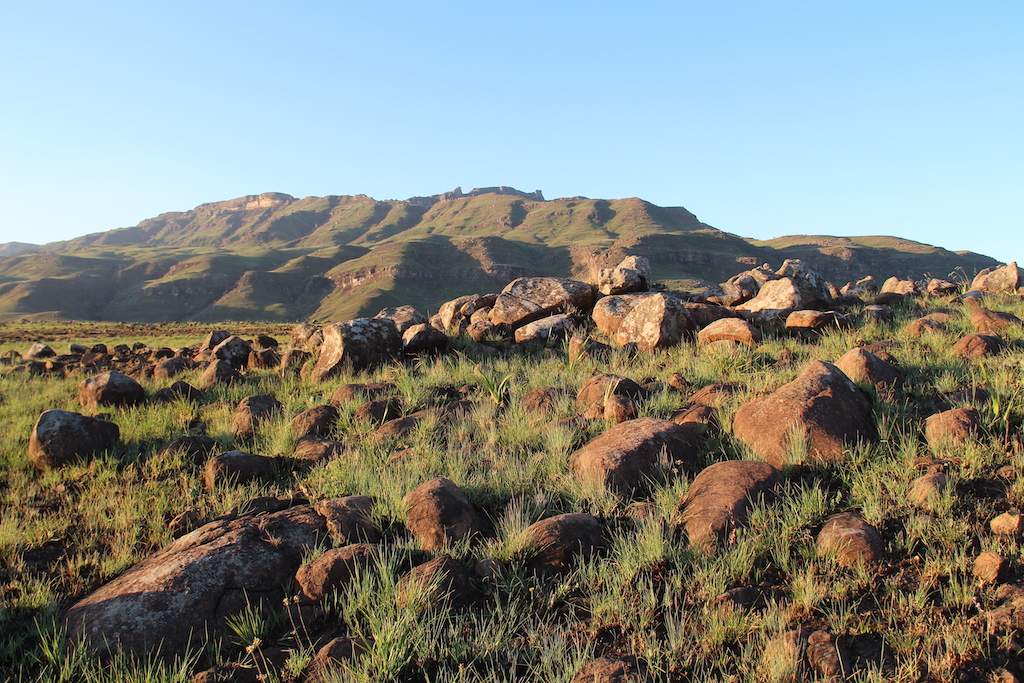
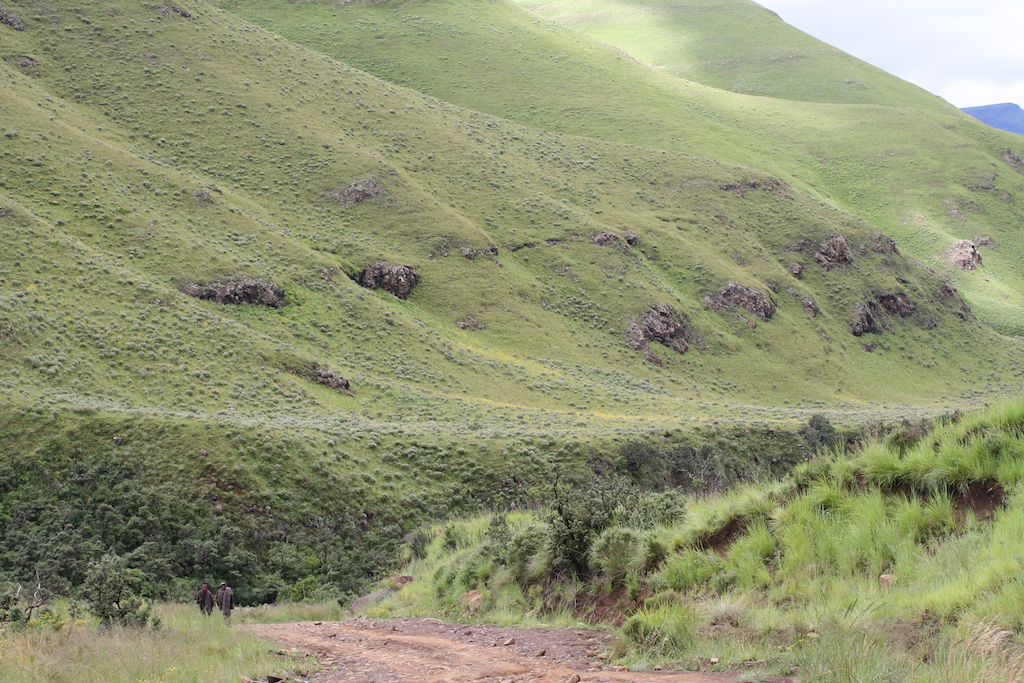
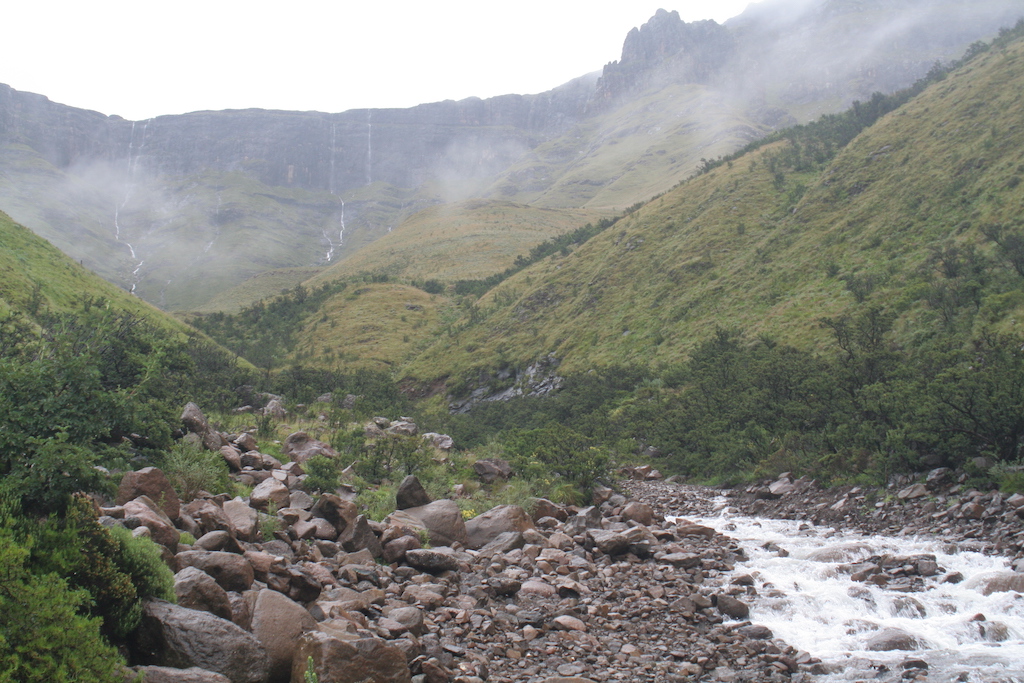
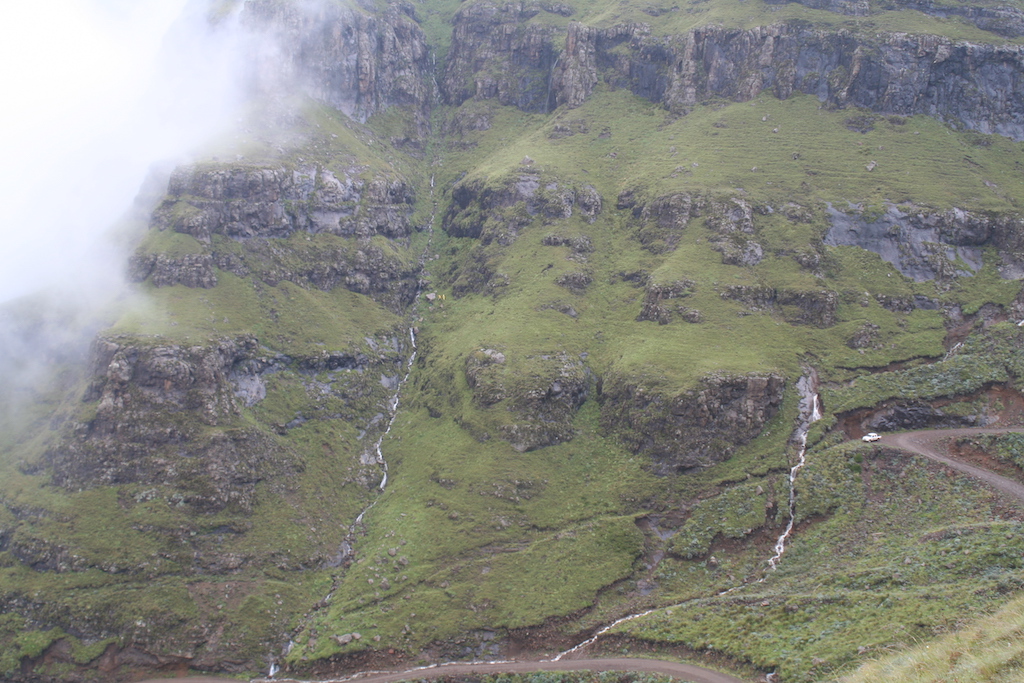
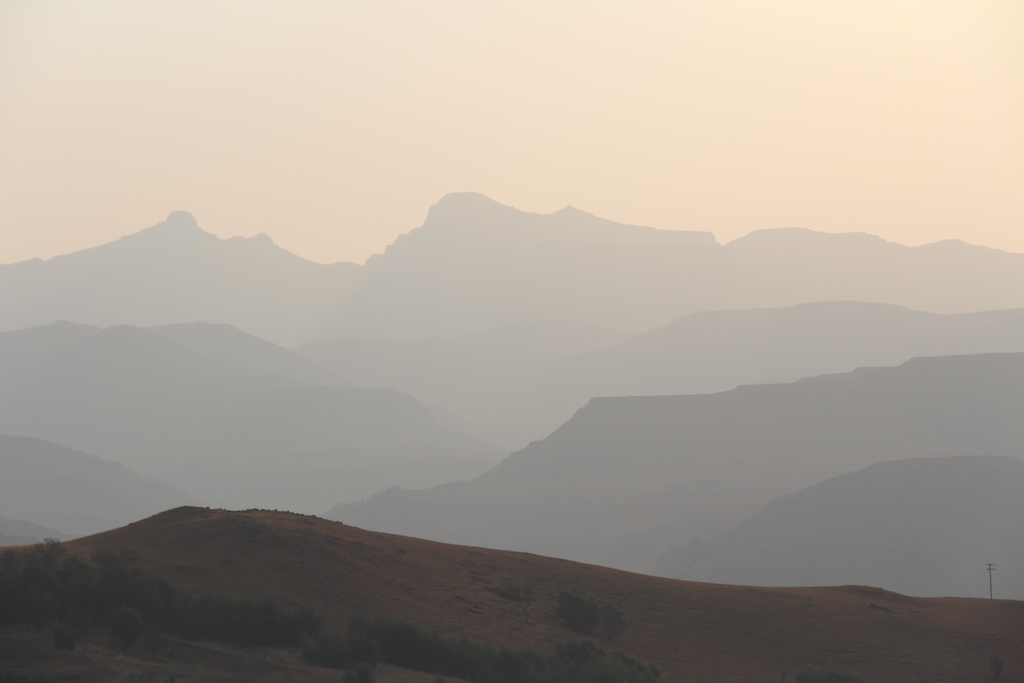
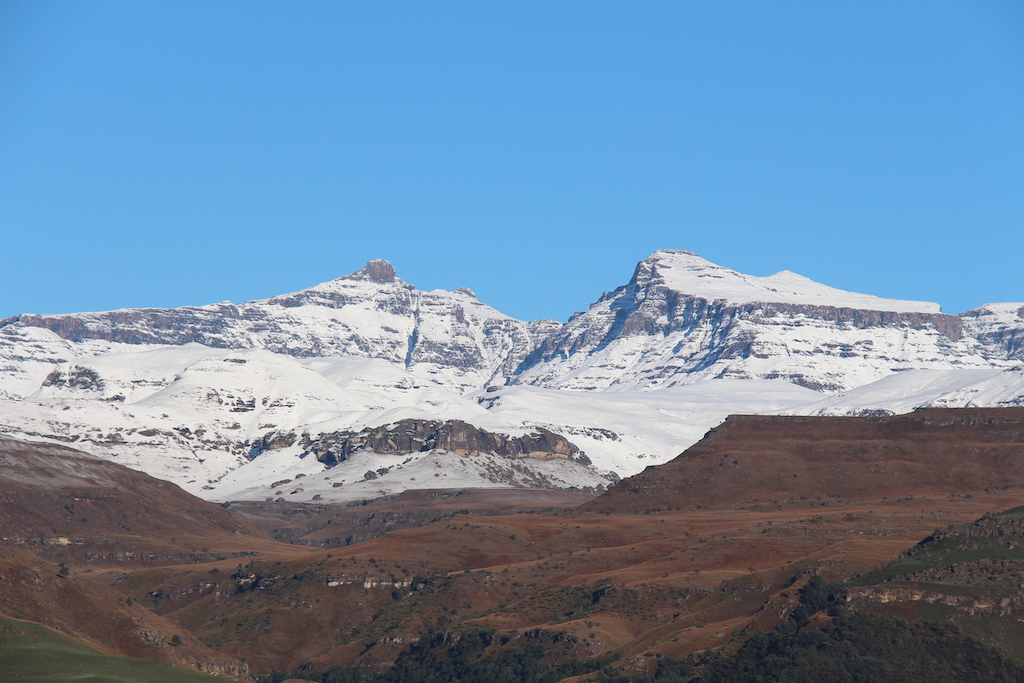
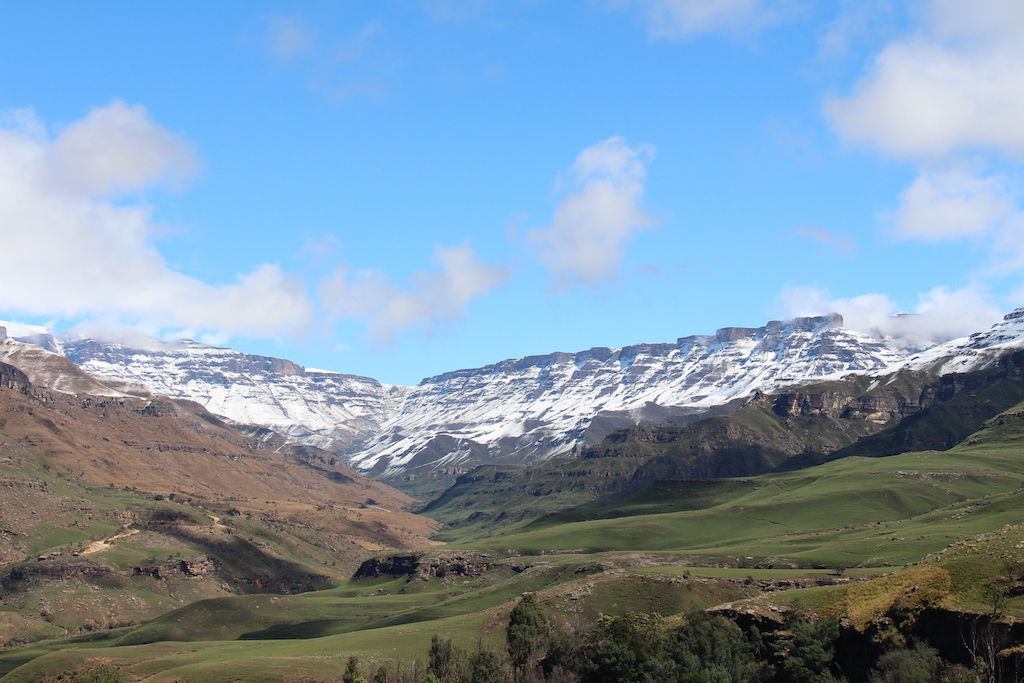
The Maloti-Drakensberg grassland transect at Sani Pass (900 – 3000 m a.s.l.) was established in 2006 and has been sampled biannually since then, recording its 20th year of sampling in January 2025. The Sani Pass provides road access to the steepest part of this elevation gradient, and this region is where most of our effort has been invested.


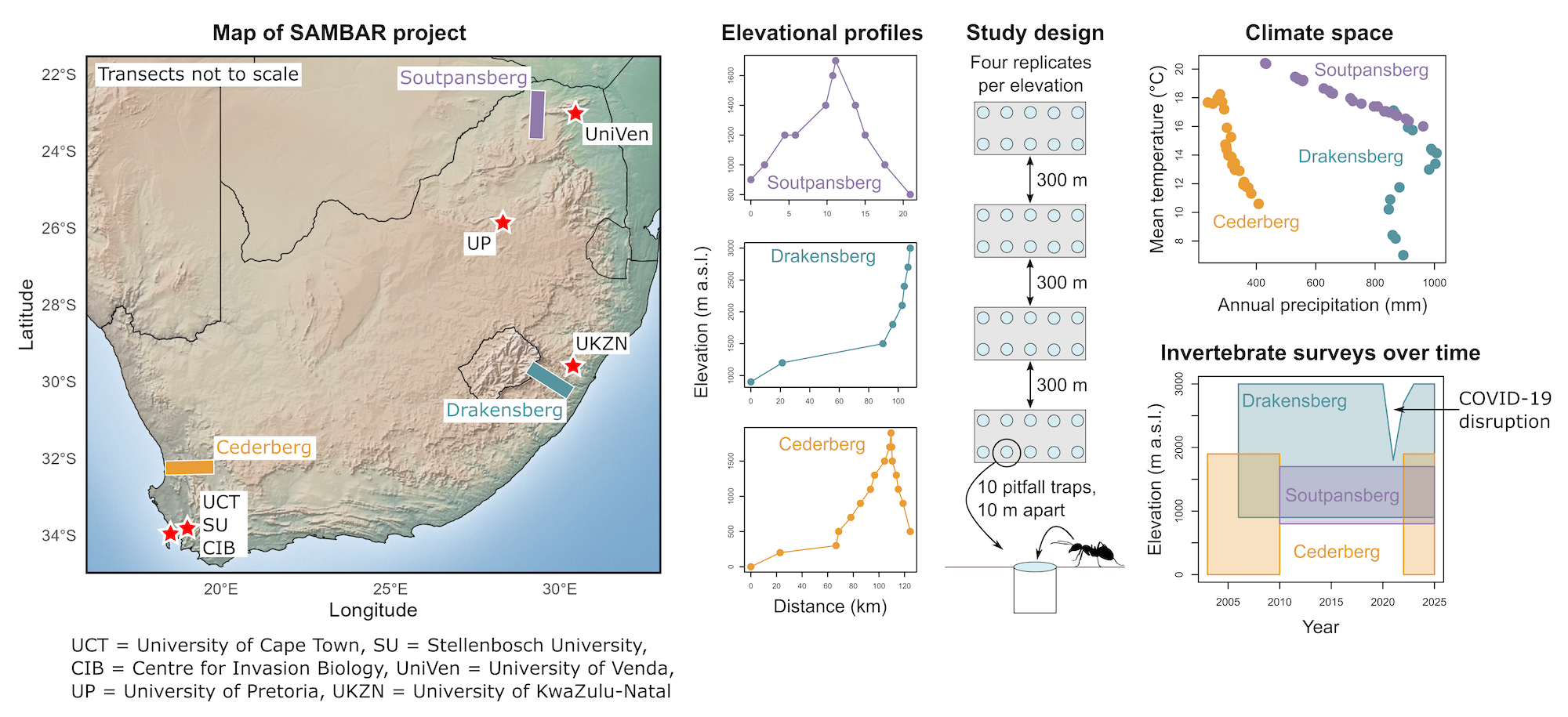
The SAMBAR collaboration is crucial for the South African bio-economy and science. While originally established as independent transects, our ongoing collaboration, underpinned by our shared and standardised sampling design, enables a wider range of analyses to take place that are beyond the scope of each individual transect. This collaborative approach allows the sharing of skills, training, data, and analytical workflows that are strengthening biodiversity research capacity in South Africa, as well as providing knowledge on how invertebrate biodiversity responds to natural and global change drivers.
Together, we seek to leverage information on the diverse invertebrate fauna of southern Africa to influence conservation strategies and sustainable resource management in the region.
SAMBAR Collaborators






Get In Touch
For more information about the project, contact us at info@sambar.org.za
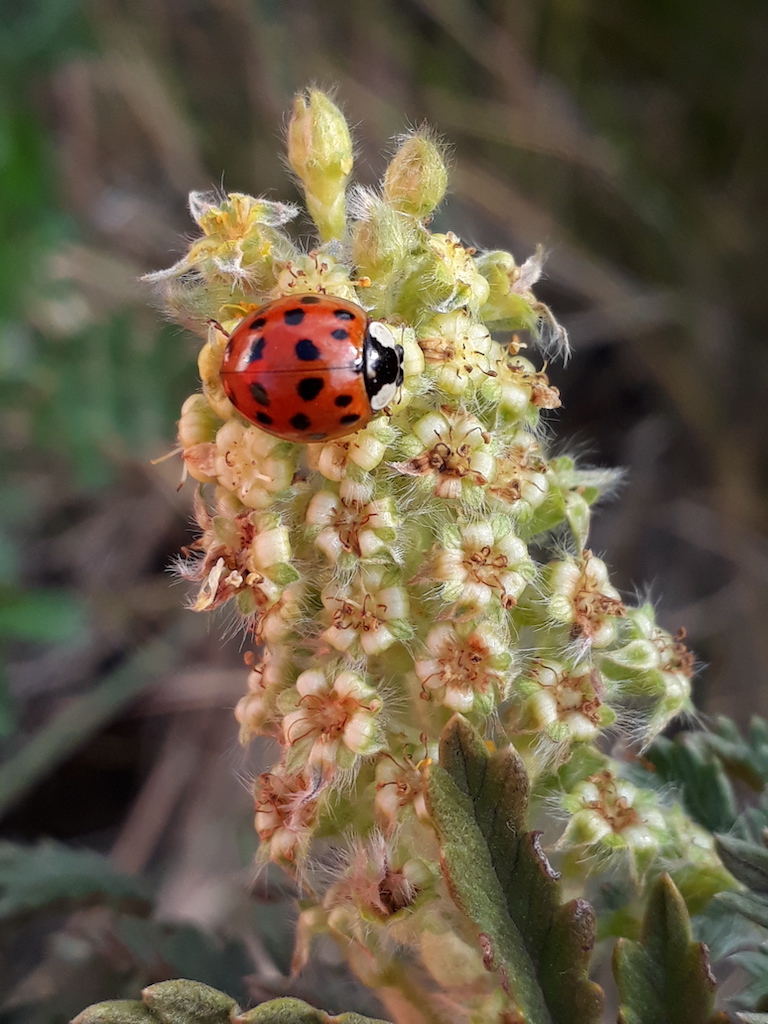
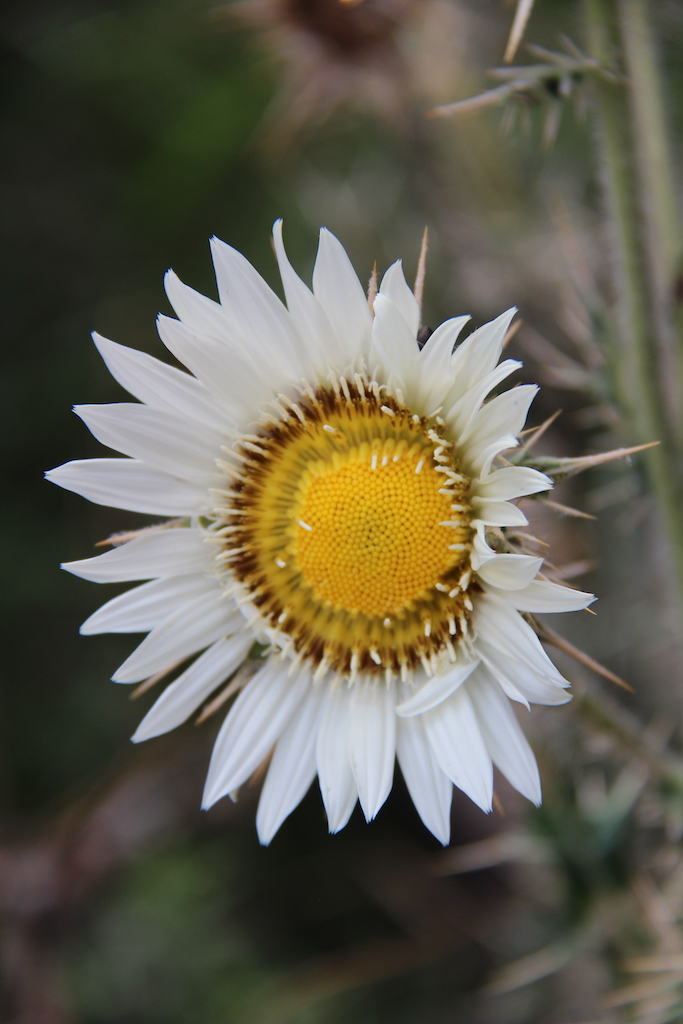
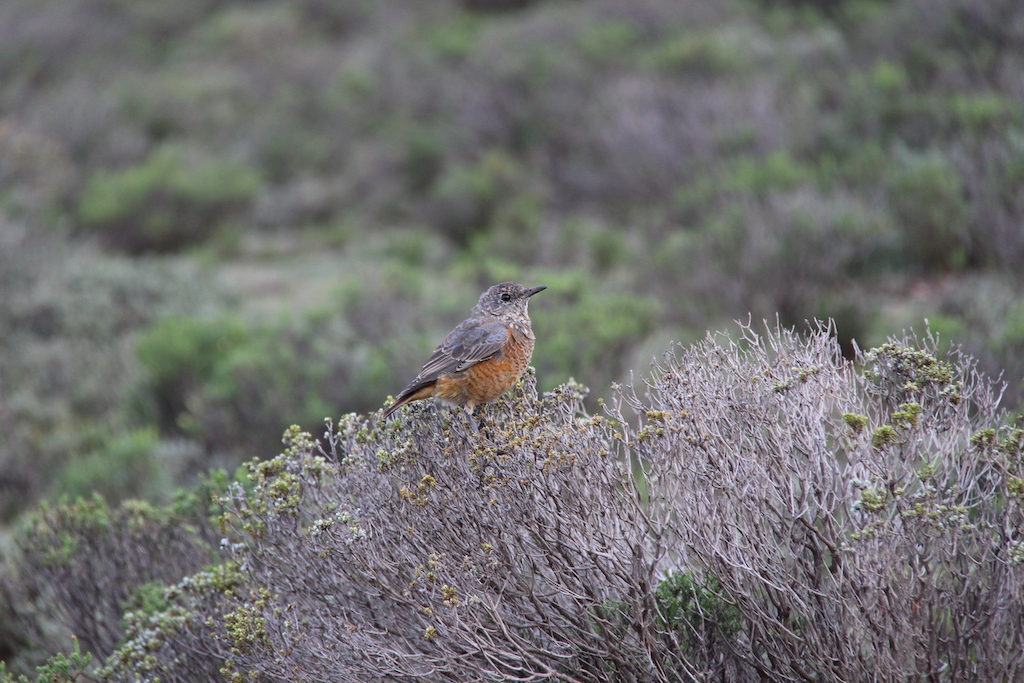
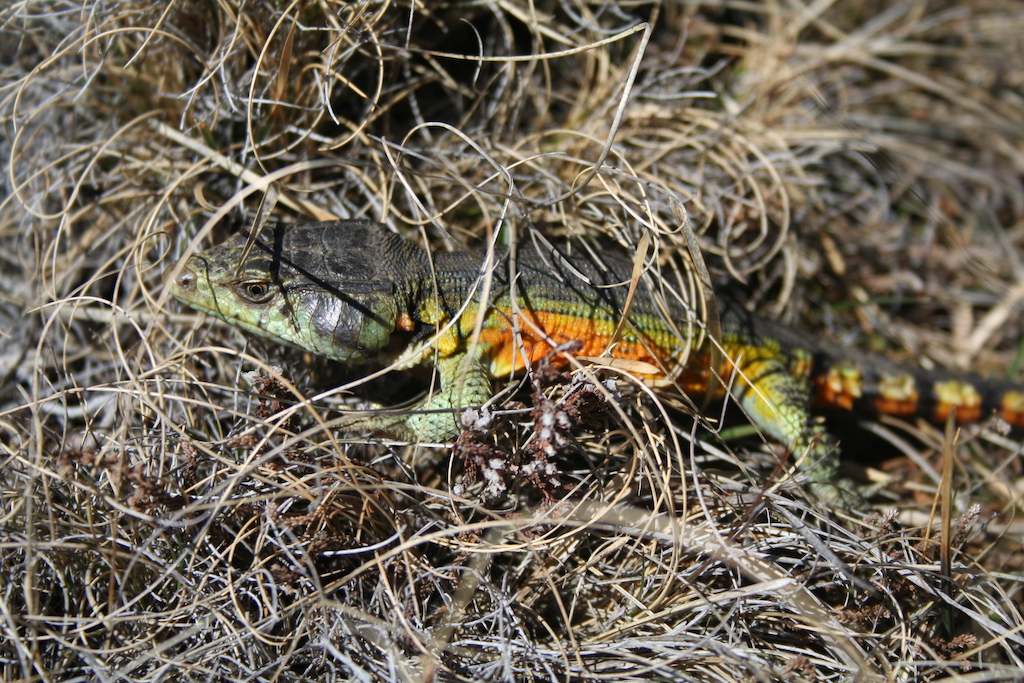
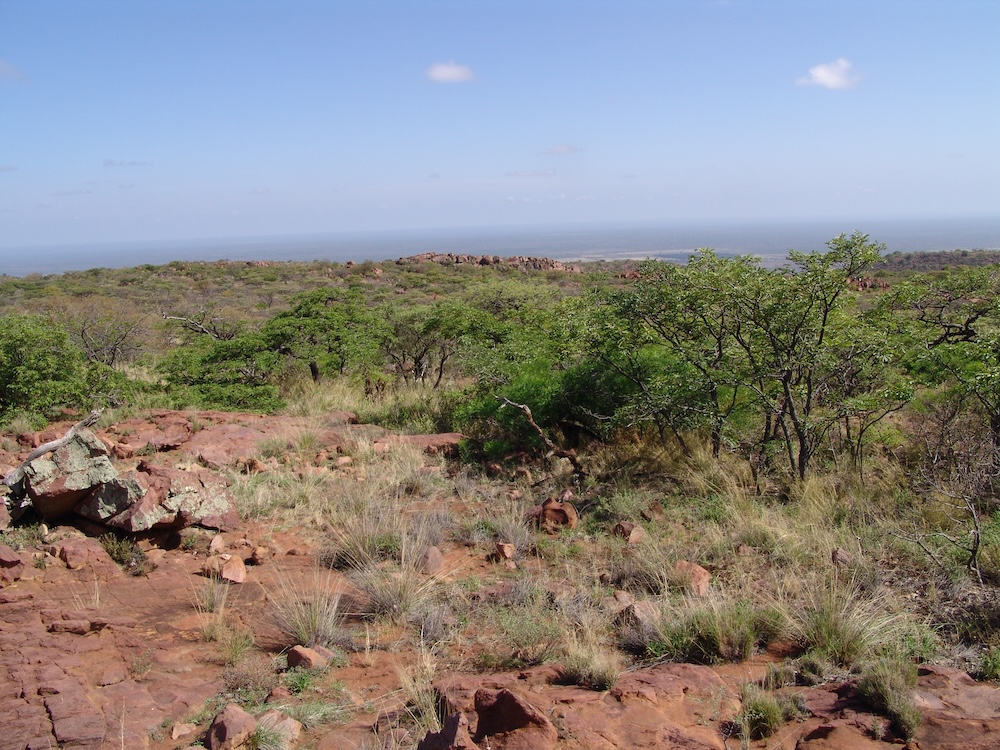
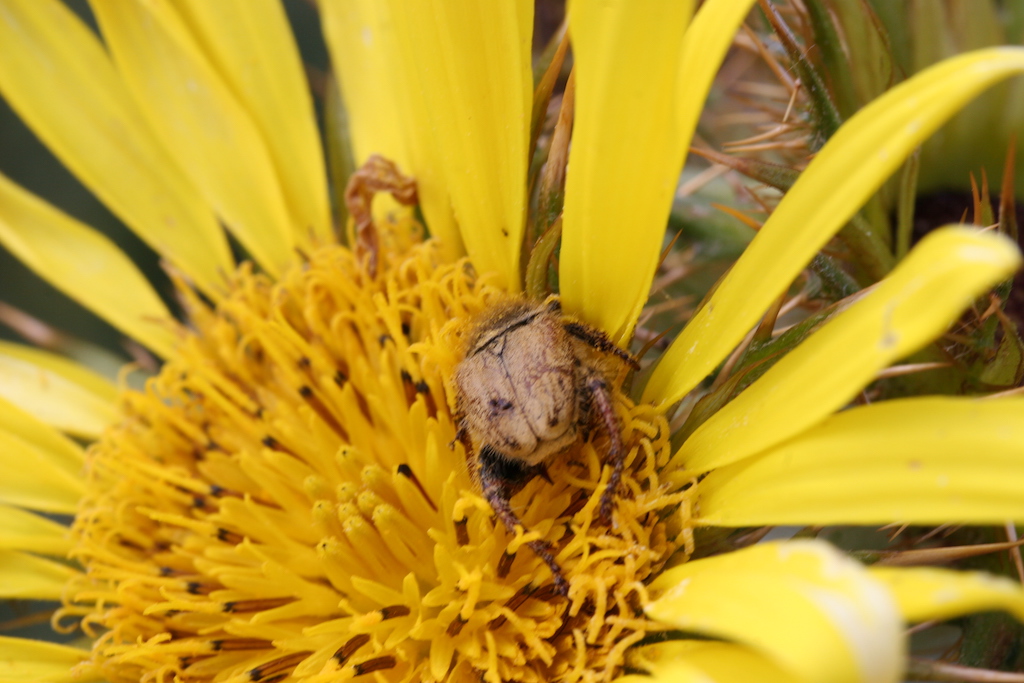
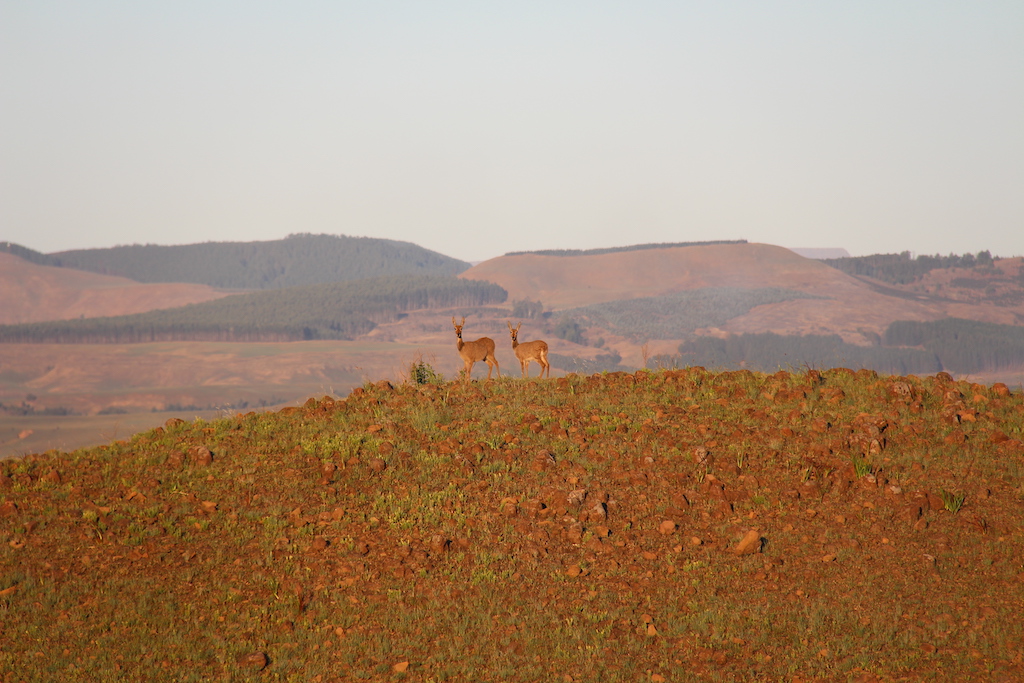
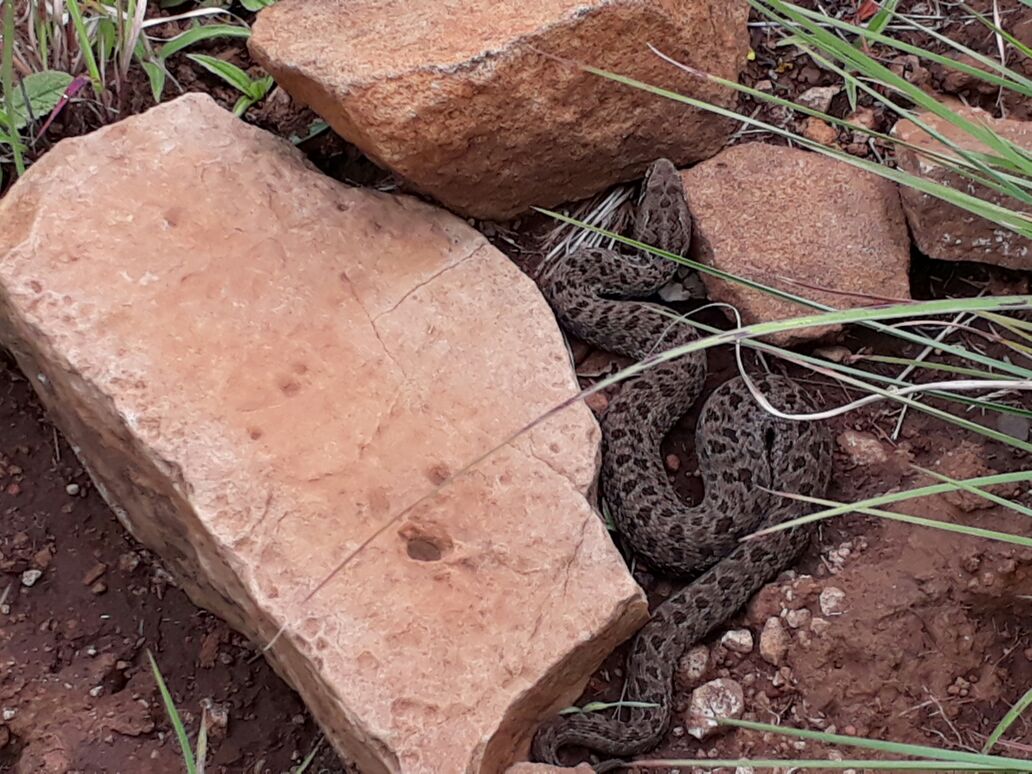
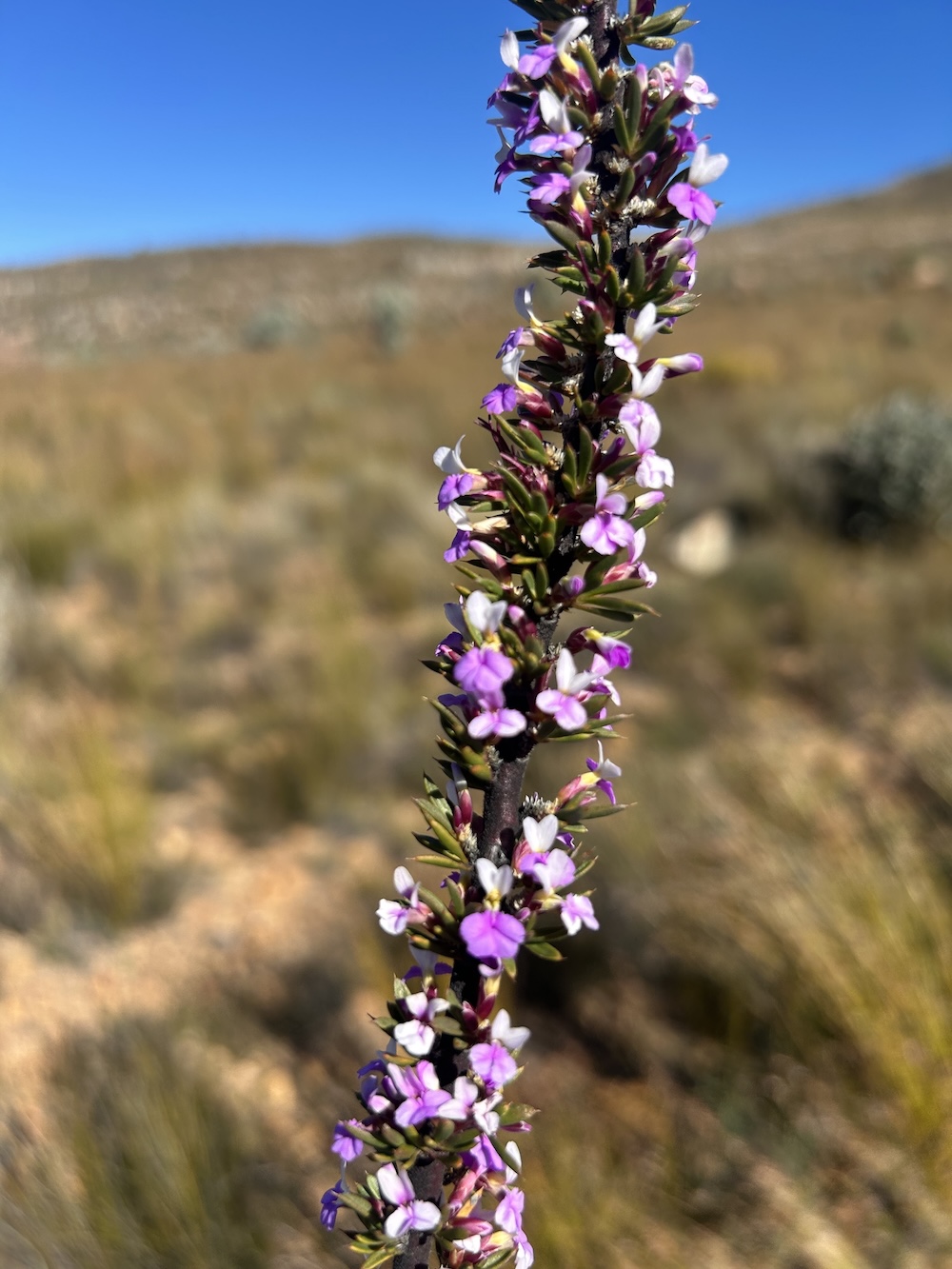
SAMBAR Project Biodiversity Gallery






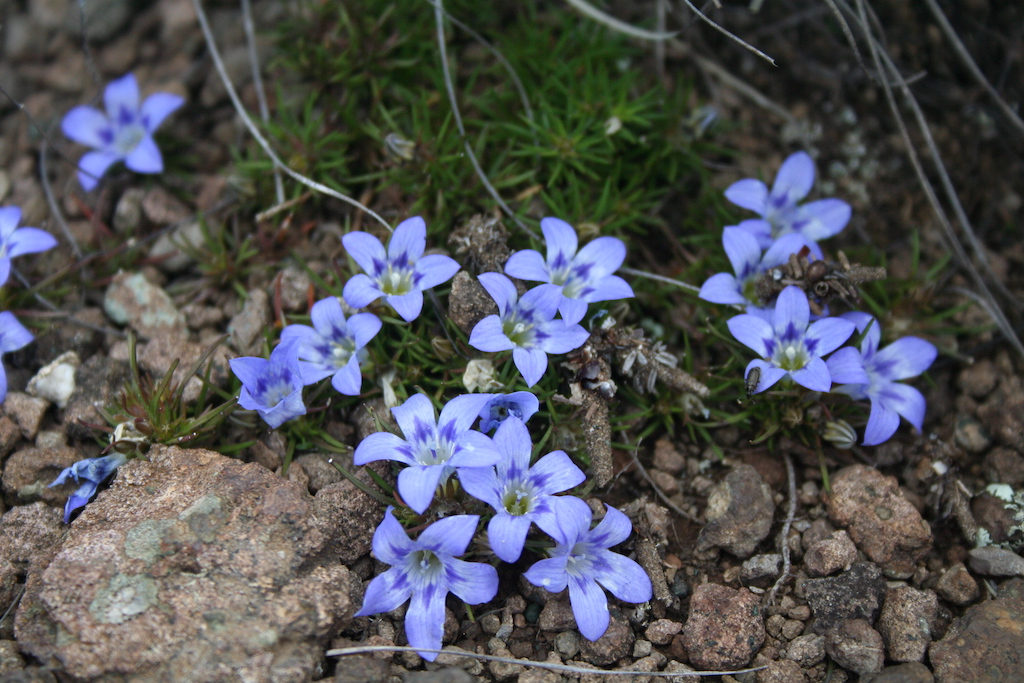

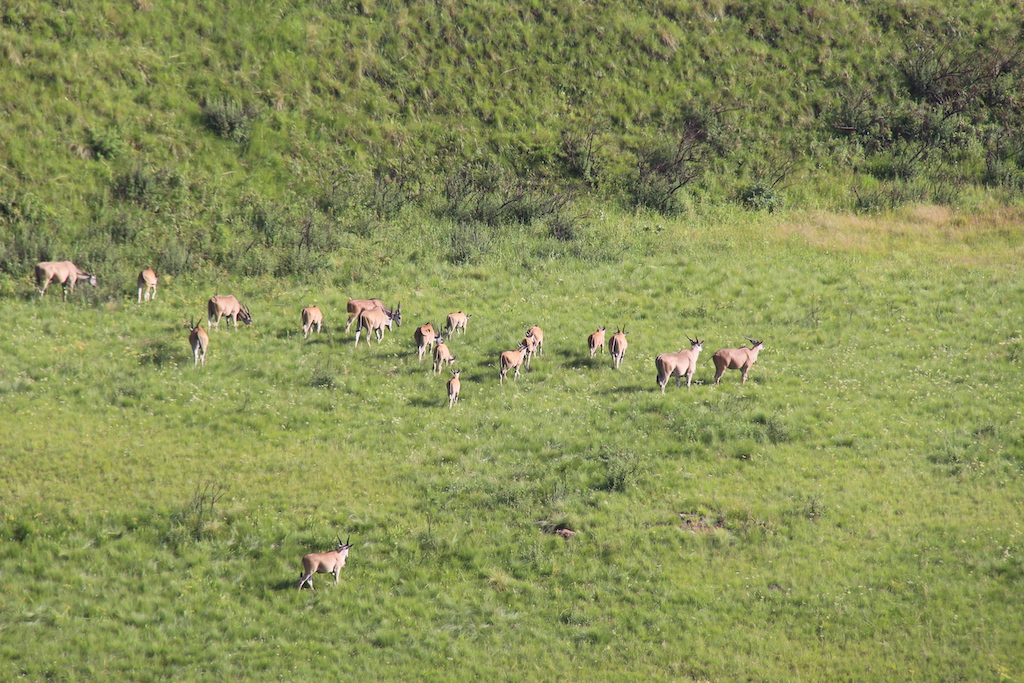

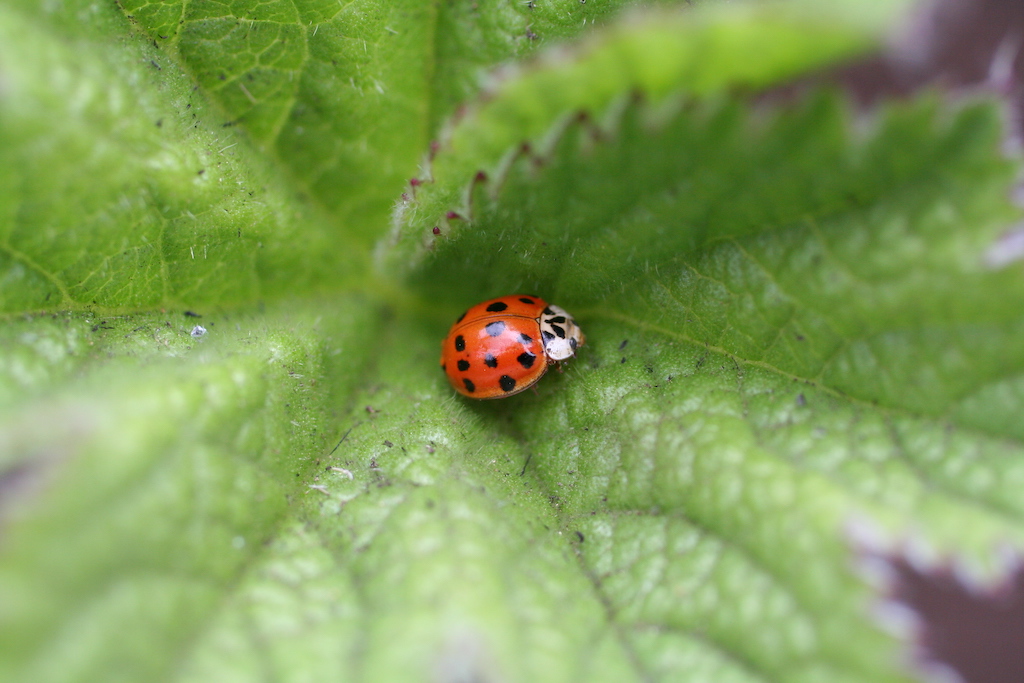
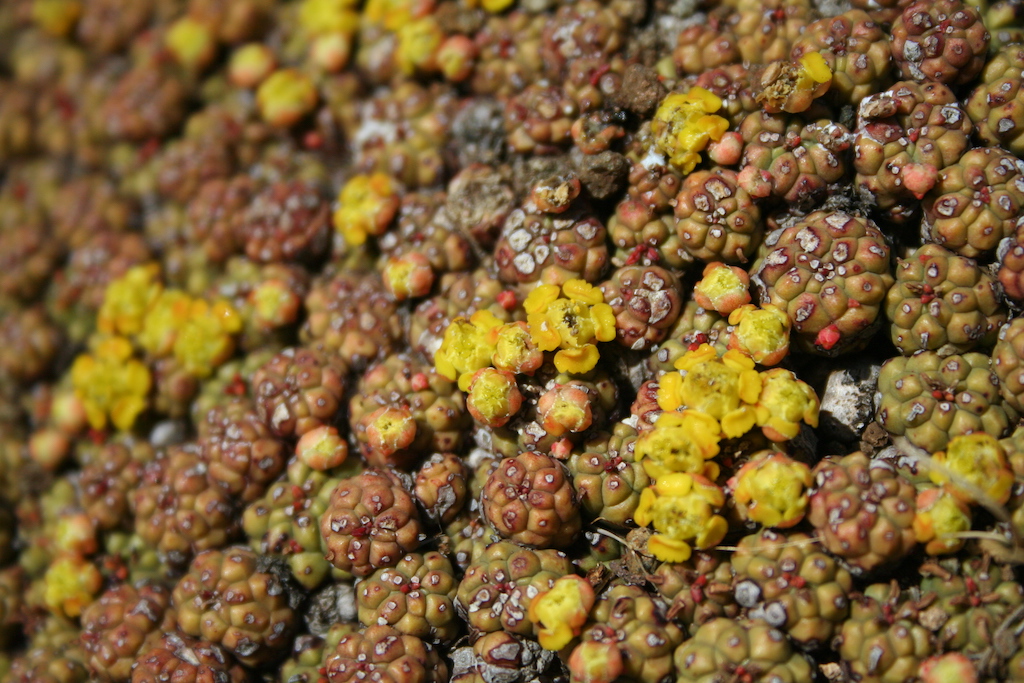
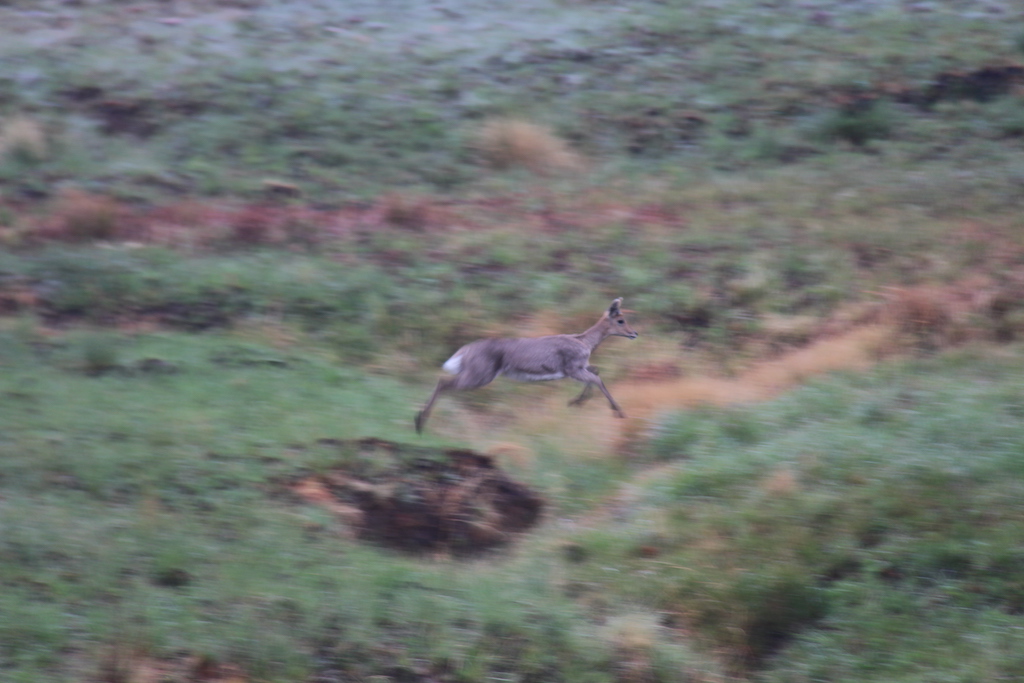
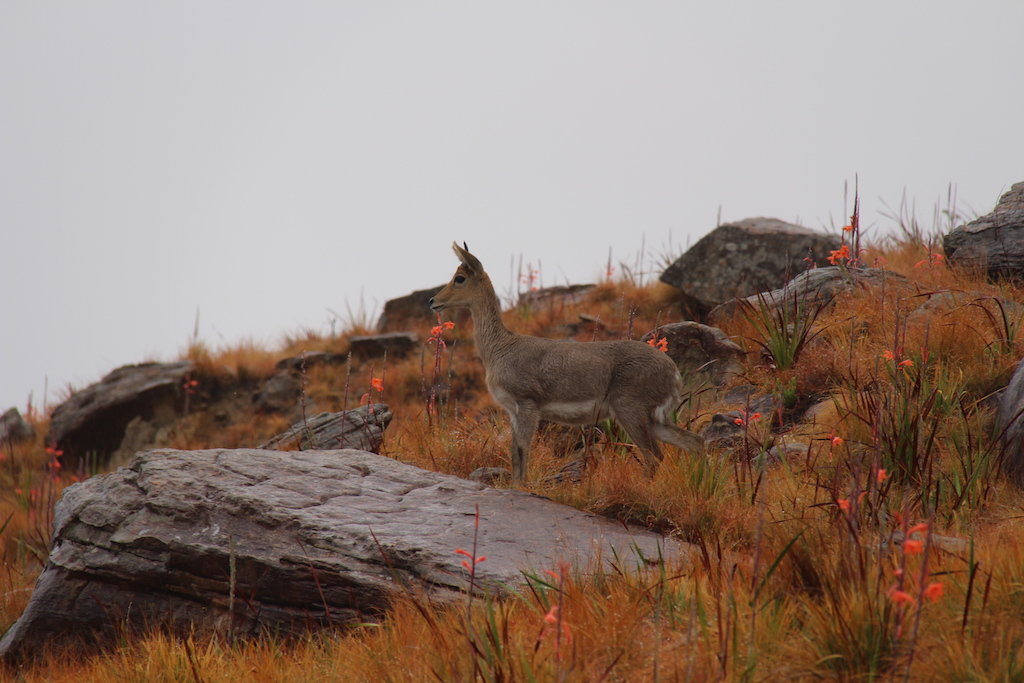
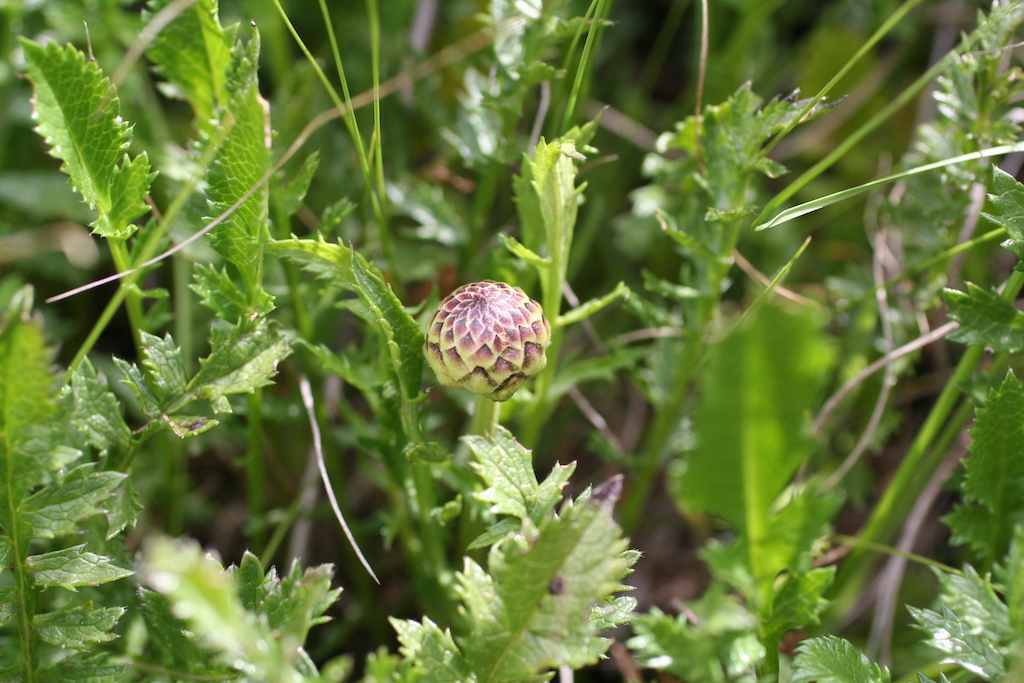
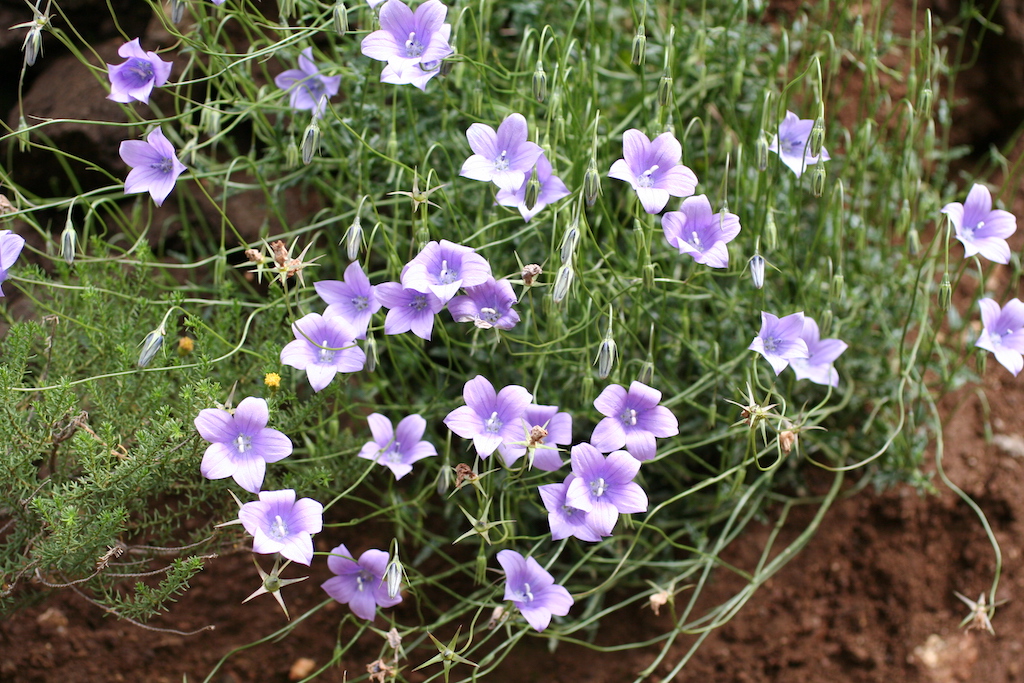
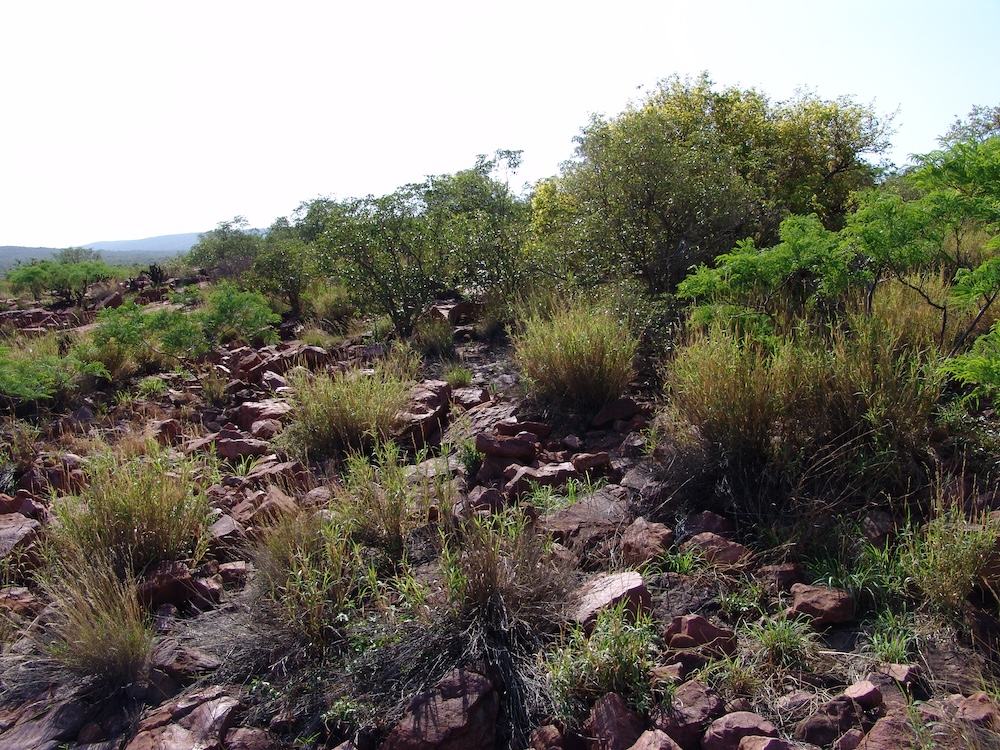
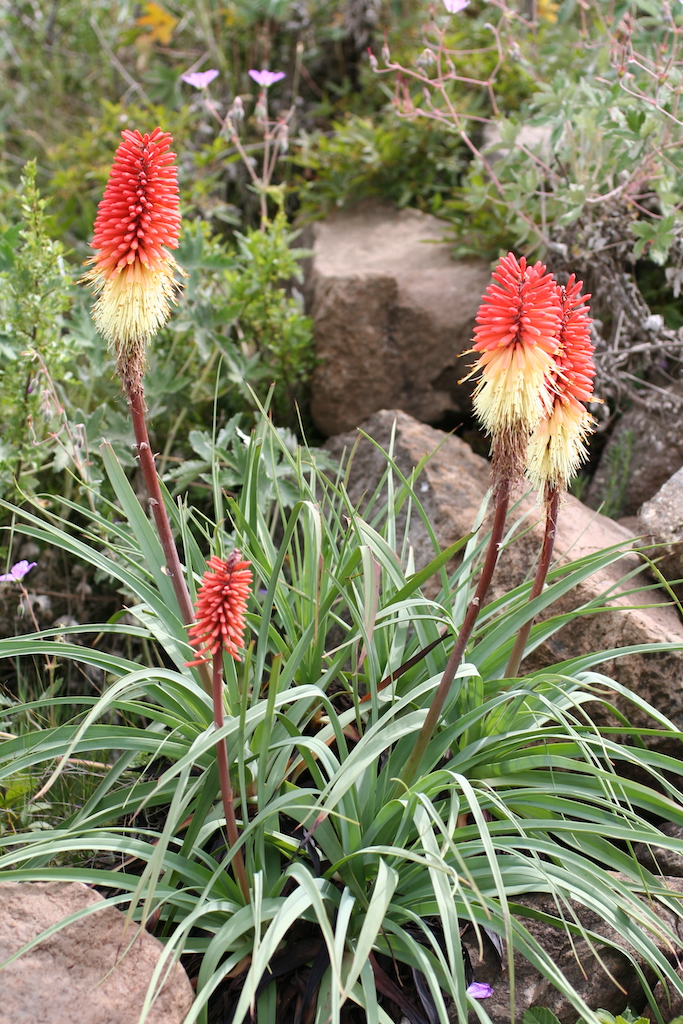

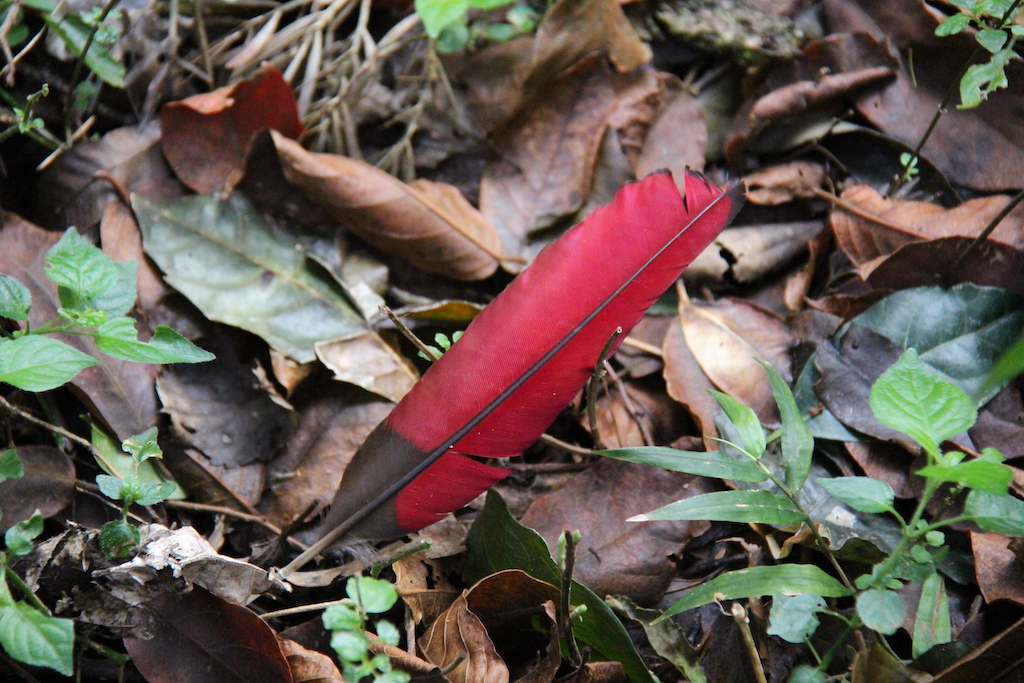


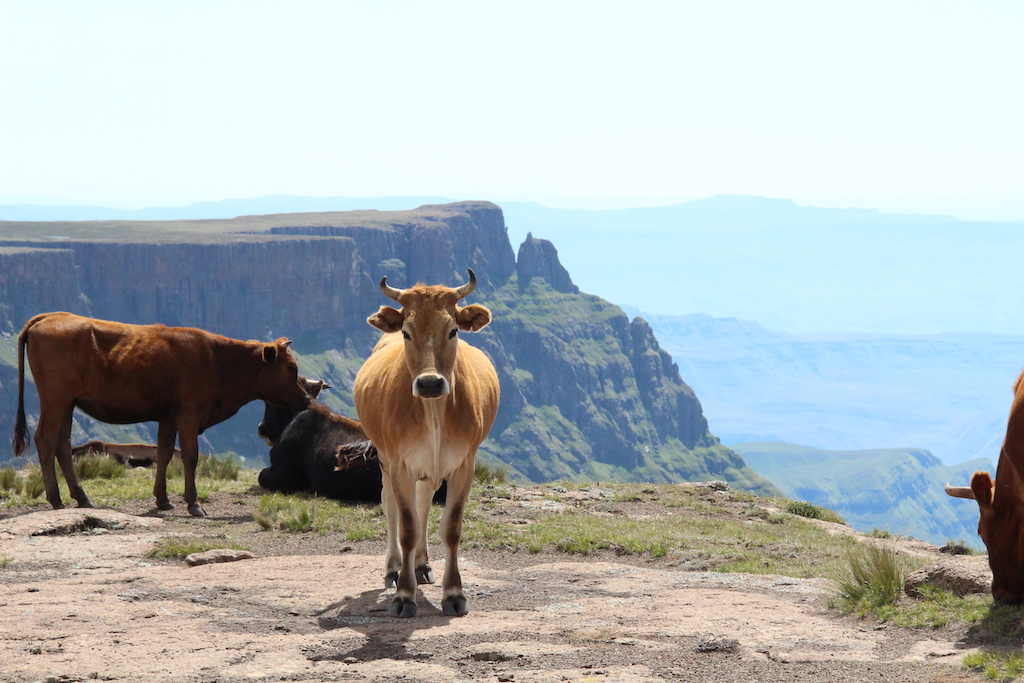







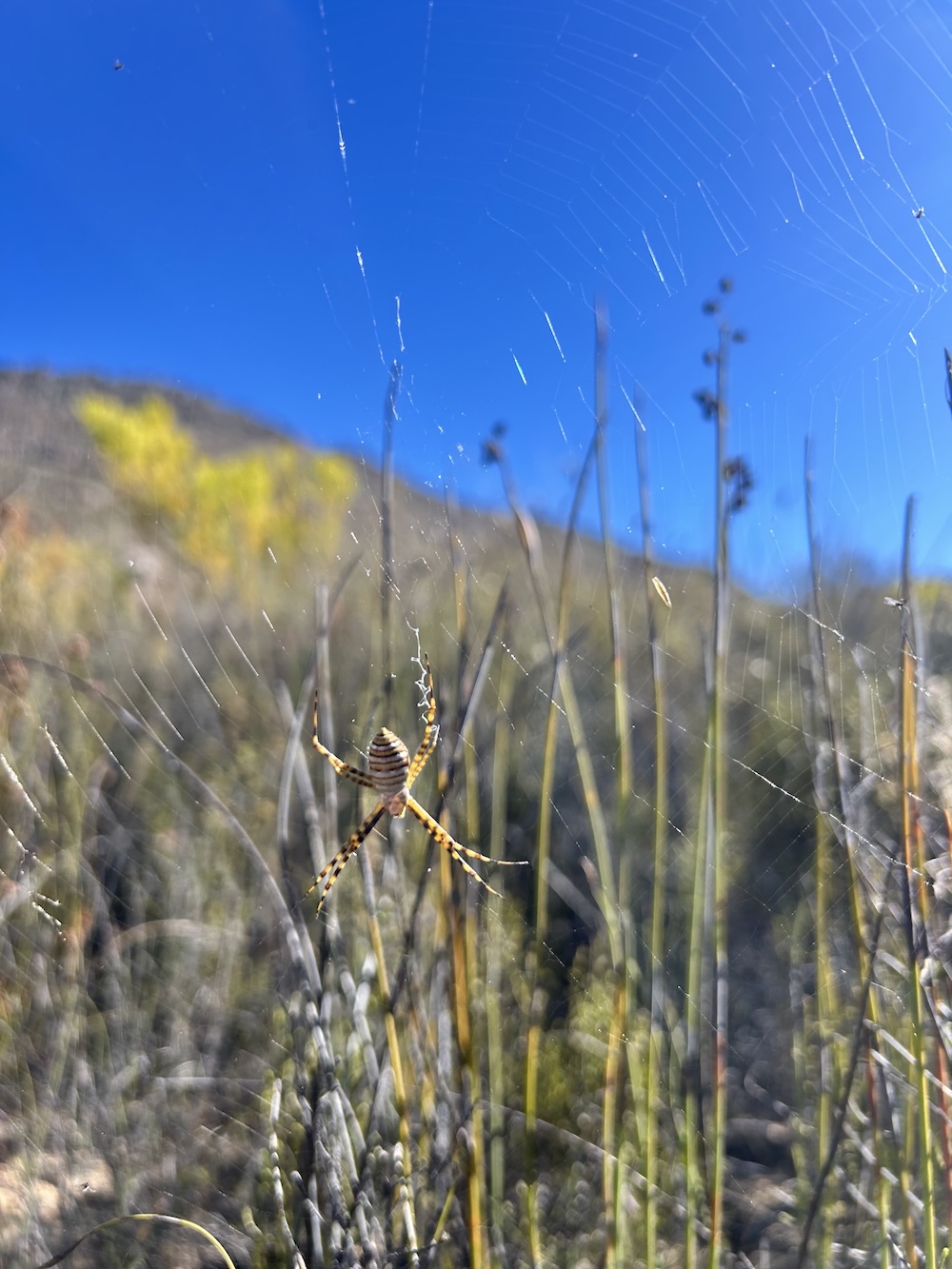
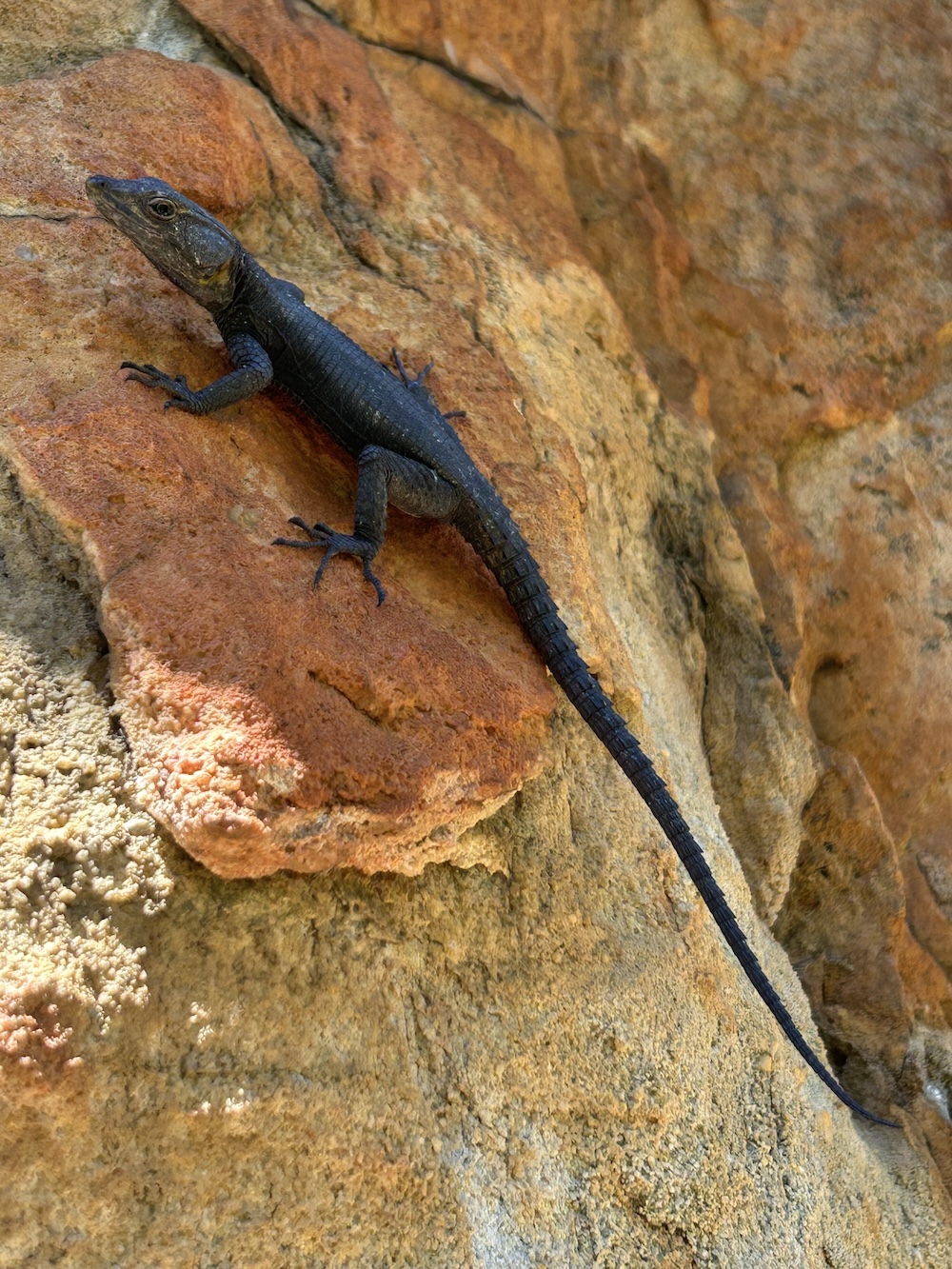
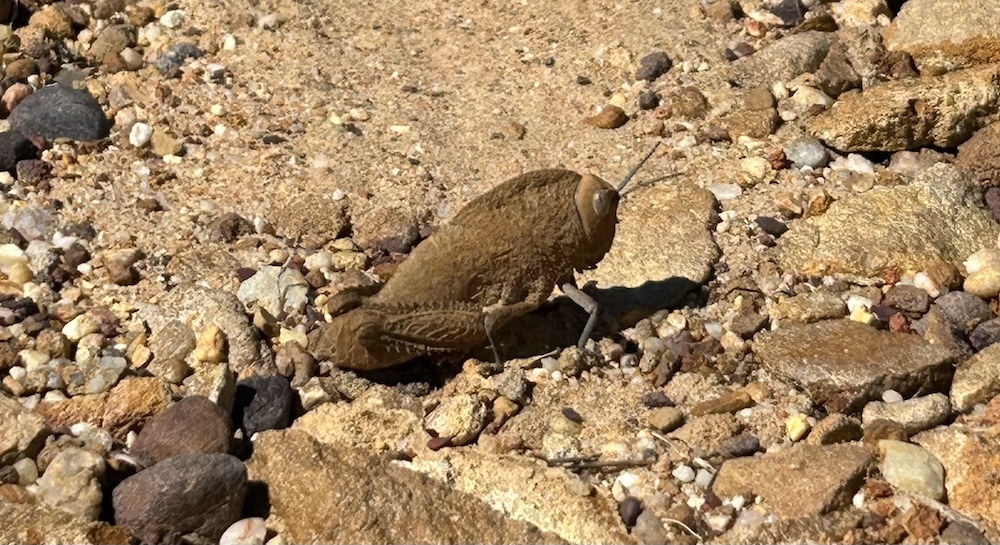
CederDiv Project Video

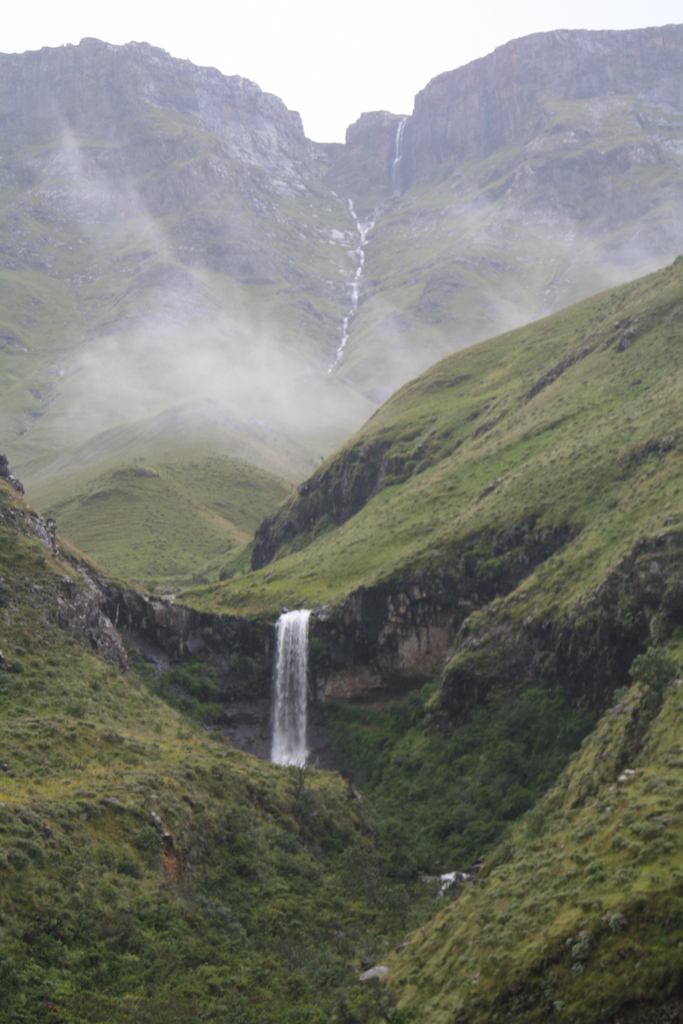
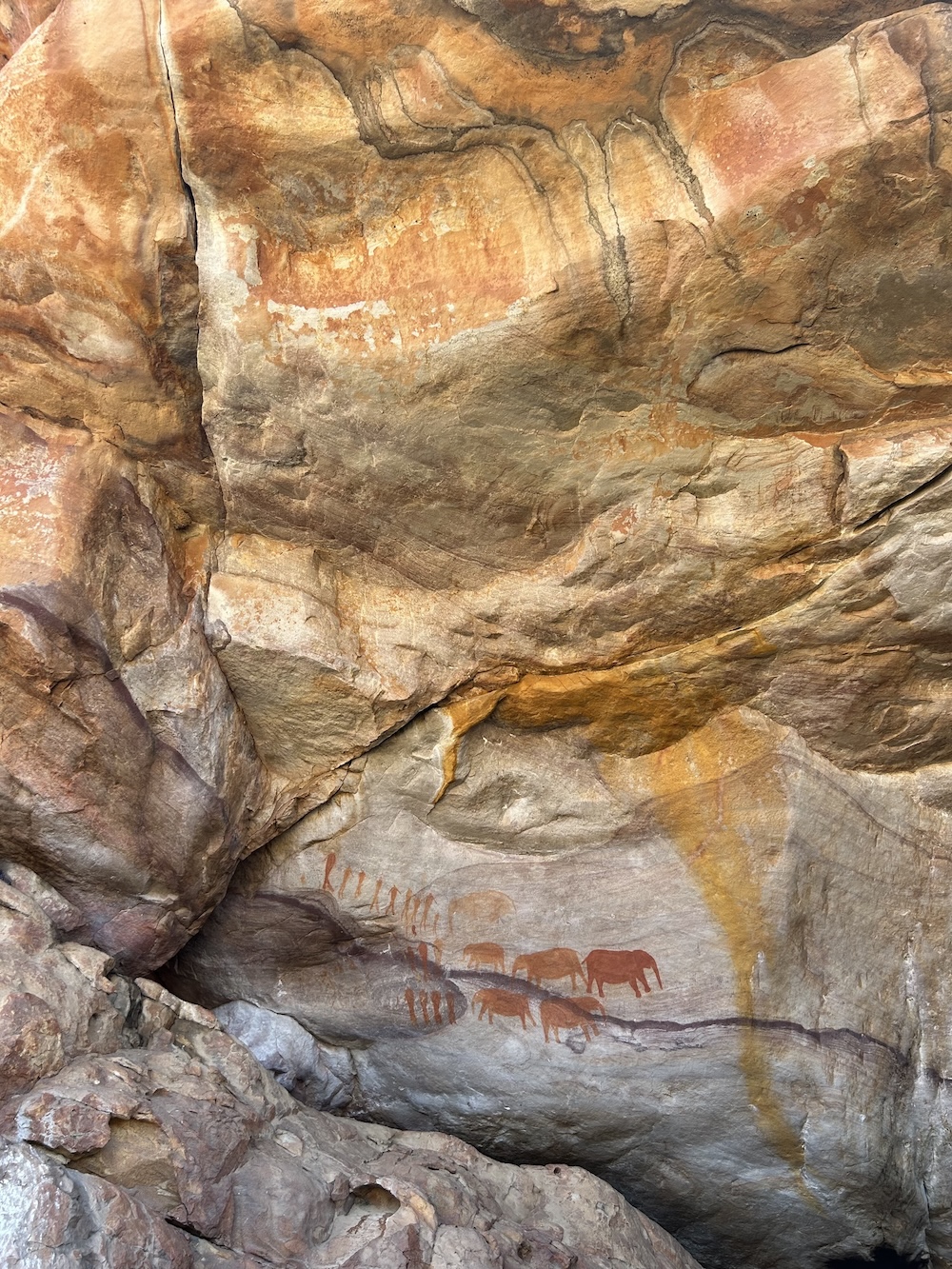
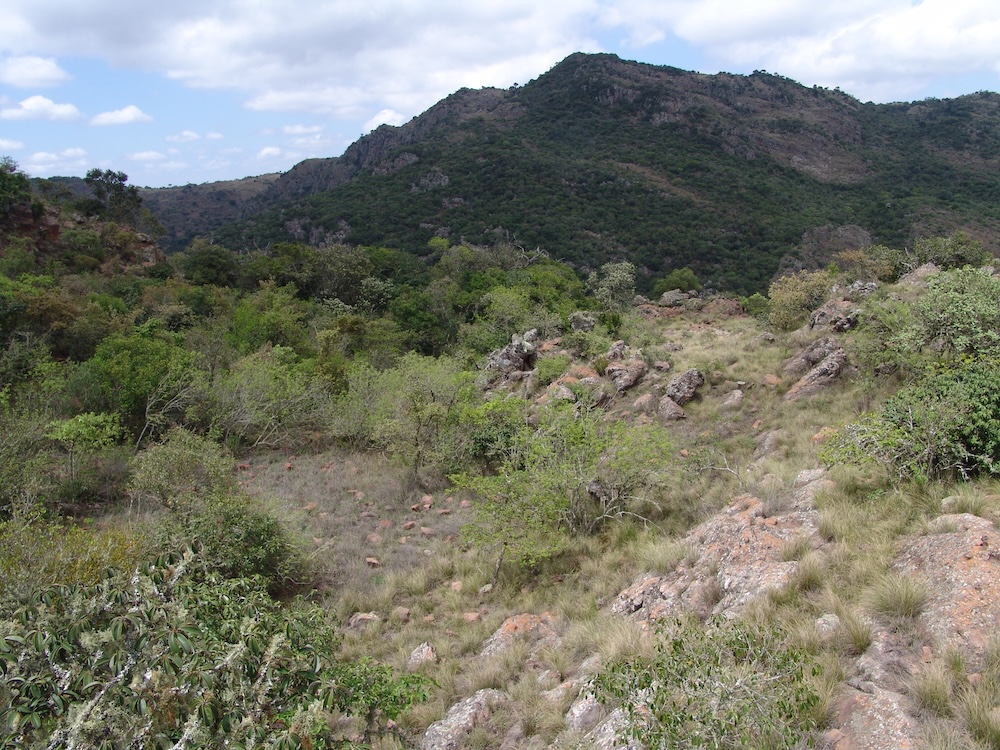
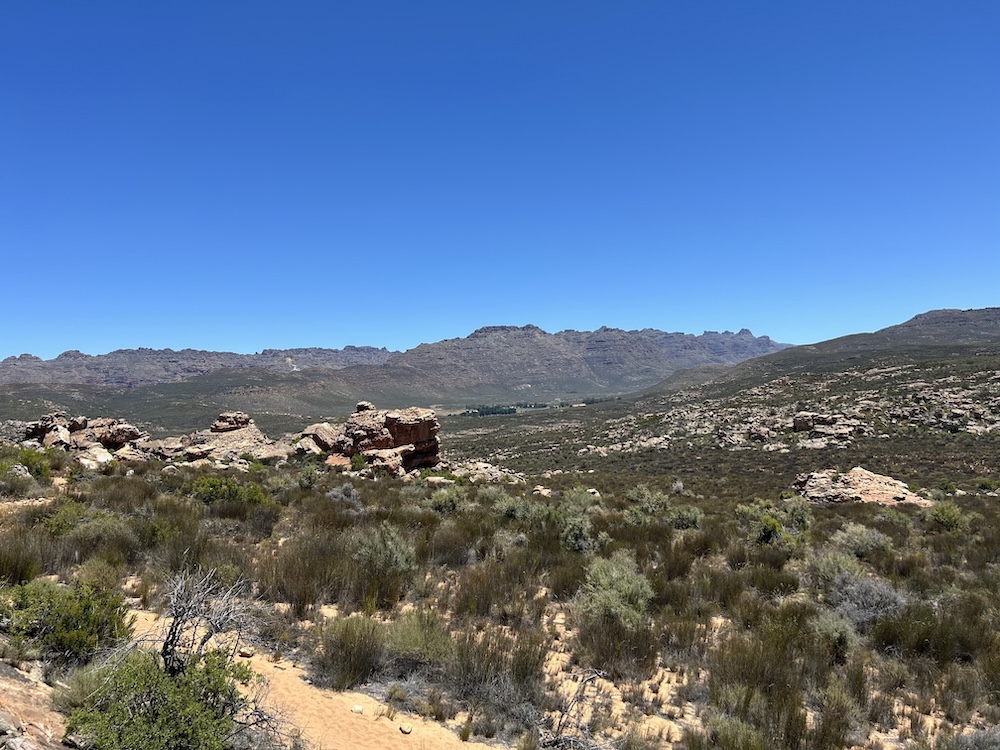
The Cederdiv project has been ongoing since 2002, investigating the diversity of arthropods along an altitudinal gradient in the Cederberg Wilderness Area, South Africa. The combination of traditional taxonomy and DNA barcoding of specimens will contribute to the understanding of how global change is impacting arthropods in this region.
Publications
SAMBAR Publications
 Ant assemblages have darker and larger members in cold environments
Bishop, T.R., Robertson, M.P., Gibb, H., van Rensburg, B.J., Braschler, B., Chown, S.L., Foord, S.H., Munyai, T.C., Okey, I., Tshivhandekano, P.G. and Werenkraut, V. 2016. Ant assemblages have darker and larger members in cold environments. Global Ecology and Biogeography 25(12), pp 1489-1499. https://doi.org/10.1111/geb.12516
 Thermoregulatory traits combine with range shifts to alter the future of montane ant assemblages
Bishop, T.R., Parr, C.L., Gibb, H., van Rensburg, B.J., Braschler, B., Chown, S.L., Foord, S.H., Lamy, K., Munyai, T.C., Okey, I. and Tshivhandekano, P.G. 2019. Thermoregulatory traits combine with range shifts to alter the future of montane ant assemblages. Global Change Biology 25(6), pp 2162-2173. https://doi.org/10.1111/gcb.14622
CederDiv Publications
 Ants, altitude and change in the northern Cape Floristic Region
Botes, A., McGeoch, M.A., Robertson, H.G., Van Niekerk, A., Davids, H.P. and Chown, S.L. 2006. Ants, altitude and change in the northern Cape Floristic Region. Journal of Biogeography 33(1), pp 71-90. https://doi.org/10.1111/j.1365-2699.2005.01336.x

Ground-dwelling beetle assemblages in the northern Cape Floristic Region: Patterns, correlates and implications
Botes, A., McGeoch, M.A. and Chown, S.L. 2007. Ground‐dwelling beetle assemblages in the northern Cape Floristic Region: Patterns, correlates and implications. Austral Ecology 32(2), pp 210-224. https://doi.org/10.1111/j.1442-9993.2007.01681.x
 Review of the ant genus Nesomyrmex (Hymenoptera: Formicidae: Myrmicinae) in southern Africa
Mbanyana, N. and Robertson, H.G. 2008. Review of the ant genus Nesomyrmex (Hymenoptera: Formicidae: Myrmicinae) in southern Africa. African Natural History 4(1), pp 35-55. https://journals.co.za/doi/epdf/10.10520/EJC17354
 Intraspecific body size frequency distributions of insects
Gouws, E.J., Gaston, K.J., Chown, S.L. 2011. Intraspecific body size frequency distributions of insects. PLOS One 6(3) p. e16606. https://doi.org/10.1371/journal.pone.0016606
The Fynbos and Succulent Karoo biomes do not have exceptional local ant richness
Braschler, B., Chown, S.L. and Gaston, K.J. 2012. The fynbos and succulent karoo biomes do not have exceptional local ant richness. PLoS One, 7(3), p. e31463. https://doi.org/10.1371/journal.pone.0031463
 The effect of elevation and time on mountain spider diversity: a view of two aspects in the Cederberg mountains of South Africa
Foord, S.H. and Dippenaar-Schoeman, A.S. 2016. The effect of elevation and time on mountain spider diversity: a view of two aspects in the Cederberg mountains of South Africa. Journal of Biogeography 43, pp 2354-2365. https://doi.org/10.1111/jbi.12817
 Realised rather than fundamental thermal niches predict site occupancy: Implications for climate change forecasting
Braschler, B., Duffy, G.A., Nortje, E., Kritzinger‐Klopper, S., du Plessis, D., Karenyi, N., Leihy, R.I. and Chown, S.L. 2020. Realised rather than fundamental thermal niches predict site occupancy: Implications for climate change forecasting. Journal of Animal Ecology 89(12), pp 2863-2875. https://doi.org/10.1111/1365-2656.13358
 Sub-critical limits are viable alternatives to critical thermal limits
Braschler, B., Chown, S.L., Duffy, 2021. Sub-critical limits are viable alternatives to critical thermal limits. Journal of Thermal Biology 101, p. 103106. https://doi.org/10.1016/j.jtherbio.2021.103106
 Using near-ground leaf temperatures alters the projected climate change impacts on the historical range of a floristic biodiversity hotspot
Trew, B.T., Early, R., Duffy, J.P., Chown, S.L., Maclean, I. 2022. Using near-ground leaf temperatures alters the projected climate change impacts on the historical range of a floristic biodiversity hotspot. Diversity and Distributions 28, pp 1282-1297. https://doi.org/10.1111/ddi.13540
SaniDiv Publications
 Elevation–diversity patterns through space and time: ant communities of the Maloti-Drakensberg Mountains of southern Africa
Bishop, T.R., Robertson, M.P., van Rensburg, B.J. and Parr, C.L. 2014. Elevation–diversity patterns through space and time: ant communities of the Maloti‐Drakensberg Mountains of southern Africa. Journal of Biogeography 41(12), pp 2256-2268. https://doi.org/10.1111/jbi.12368
 Contrasting species and functional beta diversity in montane ant assemblages
Bishop, T.R., Robertson, M.P., van Rensburg, B.J. and Parr, C.L. 2015. Contrasting species and functional beta diversity in montane ant assemblages. Journal of Biogeography 42(9), pp 1776-1786. https://doi.org/10.1111/jbi.12537
 Ant assemblages have darker and larger members in cold environments
Bishop, T.R., Robertson, M.P., Gibb, H., van Rensburg, B.J., Braschler, B., Chown, S.L., Foord, S.H., Munyai, T.C., Okey, I., Tshivhandekano, P.G. and Werenkraut, V. 2016. Ant assemblages have darker and larger members in cold environments. Global Ecology and Biogeography 25(12), pp 1489-1499. https://doi.org/10.1111/geb.12516
 Invasion of grasslands by silver wattle, Acacia dealbata (Mimosaceae) alters beetle (Coleoptera) assemblage structure.
Coetzee, B.W.T., van Rensburg, B.J., Robertson M.P. 2007. Invasion of grasslands by silver wattle, Acacia dealbata (Mimosaceae) alters beetle (Coleoptera) assemblage structure. African Entomology 15, pp 328-339. https://doi.org/10.4001/1021-3589-15.2.328
 Human activity facilitates altitudinal expansion of exotic plants along a road in montane grassland, South Africa
Kalwij, J.M., Robertson, M.P. and van Rensburg, B.J., 2008. Human activity facilitates altitudinal expansion of exotic plants along a road in montane grassland, South Africa. Applied Vegetation Science 11(4), pp 491-498. https://doi.org/10.3170/2008-7-18555
 Coping with the cold: minimum temperatures and thermal tolerances dominate the ecology of mountain ants
Bishop, T.R., Robertson, M.P., Van Rensburg, B.J. and Parr, C.L. 2017. Coping with the cold: minimum temperatures and thermal tolerances dominate the ecology of mountain ants. Ecological Entomology 42(2), pp 105-114. https://doi.org/10.1111/een.12364
 Annual monitoring reveals rapid upward movement of exotic plants in a montane ecosystem
Kalwij, J.M., Robertson, M.P. and van Rensburg, B.J. 2015. Annual monitoring reveals rapid upward movement of exotic plants in a montane ecosystem. Biological Invasions 17(12), pp 3517-3529. https://doi.org/10.1007/s10530-015-0975-3
 Plant species that invade high elevations are generalists: support for the directional ecological filtering hypothesis
Steyn, C., Greve, M., Robertson, M.P., Kalwij, J.M. and le Roux, P.C. 2017. Alien plant species that invade high elevations are generalists: Support for the directional ecological filtering hypothesis. Journal of Vegetation Science 28(2), pp 337-346. https://doi.org/10.1111/jvs.12477
 Low levels of intraspecific trait variation in a keystone invertebrate group
Gaudard, C.A., Robertson, M.P. and Bishop, T.R. 2019. Low levels of intraspecific trait variation in a keystone invertebrate group. Oecologia 190(4), pp 725-735. https://doi.org/10.1007/s00442-019-04426-9
Student theses from SaniDiv can be found here: https://markrobertson.co.za/sani-pass-elevation-gradient-project/
ThavhaDiv Publications
 An inventory of epigeal ants of the western Soutpansberg Mountain Range, South Africa
Munyai, T.C. and Foord, S.H. 2015. An inventory of epigeal ants of the western Soutpansberg Mountain Range, South Africa. Koedoe: African Protected Area Conservation and Science 57(1), pp 1-12. https://hdl.handle.net/10520/EJC168548
 Temporal Patterns of Ant Diversity across a Mountain with Climatically Contrasting Aspects in the Tropics of Africa
Munyai, T.C. and Foord, S.H. 2015. Temporal patterns of ant diversity across a mountain with climatically contrasting aspects in the tropics of Africa. PloS one 10(3), pe 0122035. https://doi.org/10.1371/journal.pone.0122035
 Ants on a mountain: spatial, environmental and habitat associations along an altitudinal transect in a centre of endemism
Munyai, T.C. and Foord, S.H. 2012. Ants on a mountain: spatial, environmental and habitat associations along an altitudinal transect in a centre of endemism. Journal of Insect Conservation 16(5), pp 677-695. https://doi.org/10.1007/s10841-011-9449-9
Ant assemblages have darker and larger members in cold environments
Bishop, T.R., Robertson, M.P., Gibb, H., van Rensburg, B.J., Braschler, B., Chown, S.L., Foord, S.H., Munyai, T.C., Okey, I., Tshivhandekano, P.G. and Werenkraut, V. 2016. Ant assemblages have darker and larger members in cold environments. Global Ecology and Biogeography 25(12), pp 1489-1499. https://doi.org/10.1111/geb.12516
 Stability of Afromontane ant diversity decreases across an elevation gradient
Joseph, G.S., Muluvhahothe, M.M., Seymour, C.L., Munyai, T.C., Bishop, T.R. and Foord, S.H. 2019. Stability of Afromontane ant diversity decreases across an elevation gradient. Global Ecology and Conservation 17, p.e00596. https://doi.org/10.1016/j.gecco.2019.e00596
 Soutpansberg Mountain: a spider hotspot in the Limpopo Province of South Africa (Arachnida, Araneae)
Dippenaar-Schoeman, A.S., Munyai, T.C., Schoeman, C.S., Hahn, N. and Foord, S.H. 2024. Soutpansberg Mountain: a spider hotspot in the Limpopo Province of South Africa (Arachnida, Araneae). African Invertebrates 65(2), pp.85-114. https://doi.org/10.3897/afrinvertebr.65.135136